
Daydream AI Shopping Agent: Your Personal Stylist, Virtual Fitting Room, and Smart Shopper
TL;DR
- Daydream is building an AI-powered fashion-shopping agent that learns a shopper’s taste, budget, sizing and wardrobe needs.
- Its proposed experience combines conversational outfit discovery with personalized recommendations, virtual try-ons, sale monitoring and wardrobe-aware styling.
- The platform could make online fashion shopping more convenient, but questions remain around fit accuracy, retailer integration, privacy and whether shoppers will trust an automated checkout.
A New Approach to Online Fashion Shopping
Daydream is positioning itself as more than another clothing marketplace. The company’s central idea is to create an AI shopping companion that can understand what a person likes, remember previous preferences and help assemble complete looks across multiple fashion brands.
The concept reflects a broader shift in e-commerce. Instead of forcing shoppers to search through categories, filters and product grids, AI shopping tools aim to interpret natural-language requests such as “I need a polished outfit for a fall wedding” or “Find me comfortable work clothes that match the black boots I already own.”
Daydream’s approach focuses specifically on fashion, where shopping decisions depend on subjective taste, fit, styling and context. The service is designed to connect those factors with products from different retailers and brands.
The Personal Stylist in the Chat
At the heart of Daydream is a conversational interface. Shoppers can describe an occasion, a preferred aesthetic, a price range or a particular item they want to complement. The system can then return a curated selection rather than a generic list of search results.
A shopper might ask for minimalist office outfits, a vacation wardrobe built around linen pieces or an evening look that works with an existing leather jacket. The intended experience is closer to speaking with a stylist than entering keywords into a search box.
The quality of that interaction depends on whether the agent can retain useful context. Daydream’s promise includes remembering details such as preferred colors, silhouettes, sizes, brands, budgets and shopping habits. Over time, the service could theoretically become more accurate because it would not need to rediscover a shopper’s taste during every session.
That memory could also help reduce repetitive recommendations. Someone who regularly rejects bright colors or oversized cuts should see fewer of those products in future results. Likewise, a shopper who favors sustainable labels, petite sizing or particular materials could receive more relevant suggestions without repeatedly entering the same requirements.
Recommendations Built Around an Existing Wardrobe
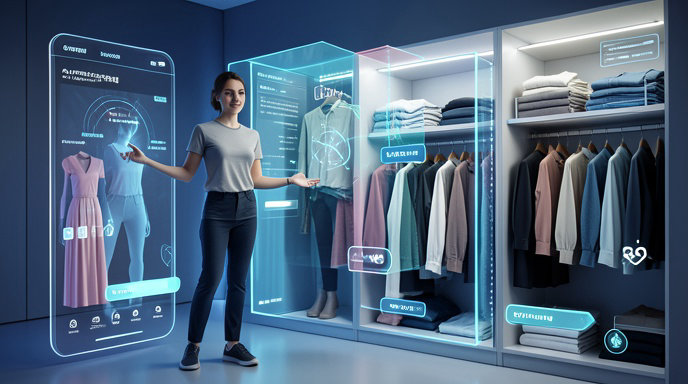
One of the more ambitious elements of the concept is wardrobe-aware styling. Rather than recommending isolated products, Daydream aims to help users plan outfits around pieces they already own.
This could make the service more useful than a conventional product-recommendation engine. A shopper might upload or describe a pair of trousers, a coat or several favorite tops, then ask for additions that create new combinations. The agent could recommend a handbag, shoes or knitwear that work with those items instead of encouraging an entirely new outfit.
Wardrobe planning also addresses a common weakness in online fashion shopping: people often buy attractive pieces that do not coordinate with anything they already have. An AI that considers a user’s existing clothing could help reduce those mismatched purchases and make recommendations feel more practical.
The system’s usefulness will depend on how accurately it identifies garments, colors, proportions and patterns. A wardrobe photo may not reveal fabric weight, exact fit or how an item looks after repeated washing. Human styling judgment remains difficult to reproduce, particularly when a shopper’s preferences are subtle or change with the season.
Virtual Try-Ons and the Fit Problem
Virtual try-on is another important part of the AI-fashion story. In principle, Daydream could allow shoppers to preview clothing on a digital representation of themselves or see how a garment might look when combined with other pieces.
For online fashion retailers, this feature promises to address one of the biggest barriers to purchase: uncertainty. Product photography often shows clothing on professional models with different body shapes, proportions and styling. A virtual preview could give shoppers a more personalized visual reference.
However, virtual try-on should not be confused with a guarantee of fit. Digital images can suggest how an item may look, but they may not accurately predict tightness, stretch, fabric drape, sleeve length or comfort. Body measurements, garment construction and retailer sizing standards vary widely.
For the technology to become genuinely useful, Daydream would need reliable product data and clear communication about the limits of generated images. A convincing visualization that does not correspond to the real garment could increase disappointment rather than reduce returns.
Sale Tracking and Smarter Timing
Daydream’s shopping-agent model could also help users decide when to buy. Sale monitoring would allow shoppers to save products or outfits and receive alerts when prices fall, sizes return or promotions become available.
This is particularly valuable in fashion, where prices can change frequently and seasonal markdowns are common. Instead of repeatedly checking several retailer websites, users could ask the agent to watch a product or find comparable alternatives within a target budget.
A more advanced version could distinguish between a genuinely attractive deal and a temporary discount on an overpriced item. It might compare prices across retailers, track historical pricing and suggest waiting when a seasonal promotion is likely.
Price intelligence introduces its own complications. Retailer promotions may have exclusions, membership requirements, limited inventory or regional differences. A shopping agent would need to show the terms clearly and identify when the advertised price does not apply to a particular size or color.
From Recommendation to Automated Checkout
The most consequential step would be moving from product discovery to transaction completion. If Daydream can connect recommendations with retailer inventory and purchasing systems, the agent could eventually help place orders with less manual effort.
A shopper might approve an outfit, confirm sizes and shipping details, and authorize the system to complete purchases across participating retailers. This would make the experience faster, especially for repeat purchases or carefully planned wardrobes.
Automated checkout also raises the risk of costly mistakes. Fashion orders can involve different return policies, shipping charges, delivery windows and taxes. An agent that purchases the wrong size or misunderstands a user’s instructions could create a complicated returns process.
For that reason, a practical implementation would likely require confirmation before payment, itemized summaries and retailer-specific policy information. Users may be comfortable delegating product search while still wanting final control over the purchase.
The Business Challenge Behind the Technology
Creating a fashion agent is not only a technical problem. Daydream must also build relationships with brands and retailers, maintain accurate catalogs and handle the commercial complexity of transactions.
Fashion inventory changes quickly. Products go out of stock, colors disappear, prices shift and sizing information is inconsistent. Recommendations are only useful if the displayed item is available, accurately described and purchasable at the stated price.
The company also faces the challenge of earning trust without overwhelming users with sponsored results. If brands can pay for placement, Daydream will need to make the distinction between paid promotion and algorithmic recommendation clear. Otherwise, a service marketed as a personal stylist could feel like an advertising channel.
Data and Privacy Questions
A personal shopping agent would require access to unusually sensitive preference data. Its profile might reveal body measurements, sizes, spending limits, preferred brands, lifestyle, special occasions and potentially photographs of a user’s body or wardrobe.
That information could make recommendations more relevant, but it also creates privacy obligations. Users will want to know what is stored, how long it is retained, whether it is used to train models and which retailers or technology providers can access it.
Strong controls should include the ability to inspect, correct and delete preference data. Users should also be able to disable memory, remove individual wardrobe items and prevent sensitive information from being used for personalization.
The Potential Impact on Fashion Discovery
If Daydream’s approach works, it could change the role of the fashion marketplace. Search would become less about finding a specific product and more about expressing an intention: dressing for an event, refreshing a wardrobe, staying within a budget or making better use of existing clothes.
That could benefit smaller brands whose products are difficult to discover through conventional search. An agent that understands style and context might surface emerging labels alongside major retailers.
It could also put pressure on brands to improve product data. Accurate measurements, detailed fabric information, standardized sizing and high-quality imagery would become increasingly important if AI systems use those signals to make recommendations.
What to Watch Next
The key test for Daydream will be whether its recommendations are consistently useful in real shopping situations. A compelling demonstration is not enough; the platform must handle imperfect wardrobe photos, unavailable products, inconsistent sizing and changing prices.
Users will also judge the service on practical outcomes: fewer irrelevant recommendations, better outfit combinations, more confident purchases and fewer returns.
Daydream’s vision combines several of the most discussed applications of AI in commerce—personalized recommendations, computer vision, virtual try-on, price tracking and automated transactions. Bringing them together could make online fashion shopping feel more guided and less laborious.
But the technology will succeed only if it balances convenience with control. The best version of an AI fashion agent would not simply encourage people to buy more. It would help them choose more deliberately, understand how new pieces fit into their wardrobes and make purchases with greater confidence.

Get All The Latest Updates Delivered Straight To Your Inbox For Free!