
Google Maps Introduces AI-Powered Trip Itineraries with Real-Time Stop Details
TL;DR
- Google is rolling out Ask Maps, a conversational AI feature designed to build personalized travel plans inside Google Maps.
- Travelers can request multi-stop itineraries—such as holiday shopping routes, road trips, coastal hikes, or oceanfront dining plans—and refine them with follow-up prompts.
- Recommendations can include current details such as business hours, traffic, weather, reviews, and other stop-specific information, although availability and accuracy may vary by location.
Google Maps Moves Beyond Point-to-Point Directions
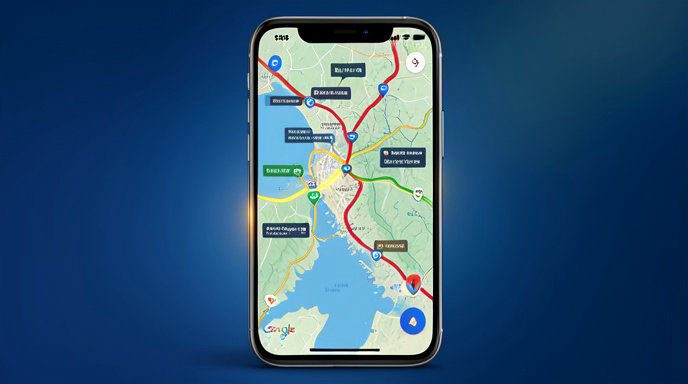
Google Maps is expanding from a navigation and local-search tool into a more capable trip-planning assistant with Ask Maps, an AI-powered feature for creating personalized itineraries.
Rather than searching for individual businesses or manually arranging stops, users can describe the kind of day—or journey—they want. Ask Maps can then suggest places, organize them into a route, and provide details relevant to each stop. The experience is intended to make complex travel planning feel more like a conversation than a series of disconnected searches.
The feature is part of Google’s broader effort to bring generative AI into Maps. It uses information already available across Google’s mapping ecosystem, including business listings, user reviews, photos, opening hours, traffic conditions, and other location data.
Planning Trips with Natural-Language Requests
Ask Maps is designed to handle requests expressed in everyday language. A traveler might ask for “a relaxed Saturday itinerary with independent bookstores, holiday markets, and a late lunch,” or request “a three-day road trip with scenic stops, family-friendly hotels, and electric-vehicle charging.”
The assistant can use the request to identify possible destinations and arrange them into a practical sequence. Users can then adjust the plan with follow-up instructions, such as shortening the driving time, adding a vegetarian restaurant, avoiding toll roads, or replacing a crowded attraction with a quieter alternative.
This conversational approach could reduce the need to open multiple tabs, compare separate lists, and manually copy addresses into a route planner.
Holiday Shopping Routes with Multiple Stops
Ask Maps could be particularly useful during the holiday shopping season, when a single outing may involve department stores, local boutiques, specialty food shops, craft markets, and restaurants.
A shopper could ask Maps to create a route that starts at a shopping center, includes stores selling specific types of gifts, adds a coffee stop, and ends near a restaurant with available evening hours. The system may also help surface details such as store opening times, current popularity, ratings, and nearby parking or transit options.
Because seasonal schedules can change, travelers should still confirm holiday hours directly with businesses before setting out. AI-generated plans may be based on information that is incomplete, delayed, or temporarily inaccurate.
Multi-Day Road Trips and Flexible Routes
Longer journeys are another natural use case. Instead of asking for directions from one city to another, travelers can request a multi-day itinerary built around a theme, such as national parks, historic towns, local food, or scenic viewpoints.
Users could specify constraints including the number of days, preferred driving distance, hotel style, budget, accessibility needs, or the desire to avoid highways. Ask Maps can then help organize potential stops and present them as part of a broader journey.
The usefulness of such planning depends on how well the system balances ambition with realistic travel times. A route that looks attractive on a map may become impractical once traffic, road closures, seasonal access, parking limitations, or limited opening hours are taken into account.
Coastal Hikes, Oceanfront Dining, and Other Complex Plans
The feature is also aimed at less straightforward travel requests. A user might ask for a coastal hike with moderate difficulty, ocean views, a dog-friendly lunch stop, and an oceanfront dinner nearby. Another request could combine a beach, a museum, a scenic overlook, and a sunset location while minimizing backtracking.
For these plans, stop-specific context is important. Travelers may need trail conditions, restaurant hours, reservation requirements, accessibility information, parking availability, and weather updates. Ask Maps is intended to bring more of that information into the planning process instead of leaving users to research every stop separately.
Real-Time Information at Each Stop
One of Ask Maps’ central promises is that an itinerary can include changing information for individual destinations. Depending on the location and available data, that may include live traffic, current weather, business hours, popular times, reviews, photos, and other details shown in Google Maps.
This could be valuable when conditions change during a trip. A restaurant may be busier than expected, a trail may be affected by weather, or traffic may make the original order of stops inefficient. In those situations, users can ask for alternatives or request that the itinerary be rearranged.
“Real-time” should not be interpreted as a guarantee that every detail is continuously updated or verified. Information supplied by businesses, users, third-party sources, or automated systems can lag behind events on the ground. Travelers should treat the feature as a planning aid and verify critical information—particularly road conditions, closures, reservations, safety notices, and operating hours.
How Ask Maps Fits Into Google’s AI Strategy
Ask Maps reflects Google’s attempt to make its large collection of location data easier to use through conversational interfaces. Google has been adding generative AI capabilities to search and its consumer applications, while Maps remains one of the company’s richest sources of real-world information.
The challenge is combining broad, natural-language requests with dependable local answers. A useful travel assistant must understand preferences, geography, timing, and logistics simultaneously. It also needs to distinguish between a place that merely matches a keyword and one that genuinely fits the traveler’s needs.
Google’s Maps data gives Ask Maps a potential advantage over a general-purpose chatbot. The service can connect recommendations to map locations, routes, business profiles, reviews, and navigation. However, the quality of the result will vary depending on the completeness of local listings and how precisely a user describes the trip.
Availability and Limitations
Google is rolling out Ask Maps gradually, so access may depend on factors such as country, language, device, account, and the version of the Maps app. Features shown in announcements or demonstrations may not appear for every user immediately.
AI-generated itineraries also require judgment. Recommendations can reflect popularity rather than personal quality, and the system may misunderstand ambiguous requests or create schedules that are too tightly packed. It may also struggle with highly specific requirements, newly opened businesses, temporary closures, or places with limited public information.
For travelers with accessibility, medical, dietary, or safety requirements, Ask Maps should supplement—not replace—direct confirmation with venues and local authorities.
A More Practical Way to Plan Travel
If it works as intended, Ask Maps could make Google Maps more useful before a journey begins, not just once a traveler is already on the road. Its strongest advantage is the ability to combine discovery, route planning, and follow-up changes in one conversation.
A well-constructed request can improve the results. Users should include dates, starting and ending points, transportation preferences, desired pace, budget, accessibility needs, and must-have activities. They should also ask the assistant to flag uncertain information and separate confirmed details from suggestions.
For simple errands, traditional Maps search and directions may remain faster. For complicated outings involving many stops, changing conditions, and competing preferences, Ask Maps offers a new way to turn a broad travel idea into an editable itinerary.
The rollout marks another step toward Google Maps becoming an AI-assisted travel planner. Its long-term success will depend less on producing attractive lists of places than on delivering plans that are accurate, flexible, geographically sensible, and transparent about what may have changed.

Get All The Latest Updates Delivered Straight To Your Inbox For Free!