
Island App Turns Screen-Time Limits Into a Rewarding Farming Game
TL;DR
- Island turns phone-use limits into a farming game, rewarding users for staying within their self-imposed boundaries.
- Users can unlock virtual crops, animals and other farm elements as they maintain healthier screen-time habits.
- The app’s central bet is that playful, visible progress may make digital wellness more motivating than restriction alone.
A New Approach to Digital Wellness
Most screen-time tools are built around warnings, dashboards and blocked apps. Island takes a more playful approach: instead of treating reduced phone use as a deprivation, it turns the effort into progress inside a virtual farm.
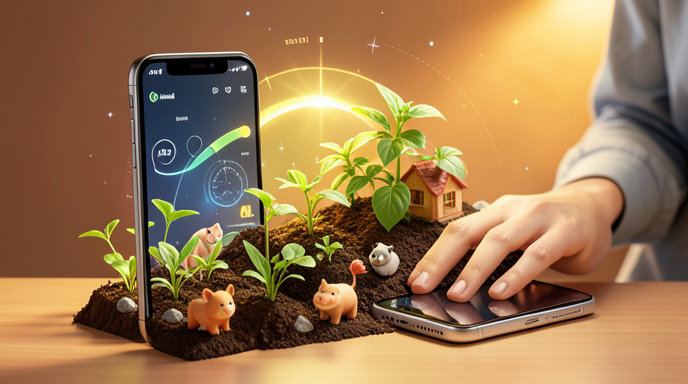
The YC-backed app encourages users to set limits for their phone use and then rewards them for respecting those boundaries. Time away from the screen becomes an opportunity to cultivate a digital space, with users gradually unlocking crops, animals and other elements of a growing farm.
That design reflects a broader shift in wellness technology. Rather than simply telling people to use their phones less, newer apps are attempting to make healthier behavior feel tangible, rewarding and even entertaining.
From Screen-Time Limits to Game Mechanics
Digital wellness tools often struggle with an engagement problem. People may install an app to reduce distractions, but the very habits they want to change can make it difficult to keep using the tool consistently.
Island’s farming system is designed to address that problem through familiar game mechanics. Users establish phone-use limits, and meeting those goals contributes to the development of their virtual farm. The reward is not merely a notification confirming that a limit was met; it is a visible change in an environment that belongs to the user.
That turns an abstract goal into a simple feedback loop:
Set a limit, stay within it, earn progress and expand the farm.
The approach borrows from games in which routine actions gradually unlock new content. In Island’s case, the desired routine is spending less time on the phone or avoiding excessive use during selected periods.
Growing a Digital Farm
The app’s rewards include virtual crops and animals. These elements give users a reason to return and create a sense of accumulation over time. A successful day does not disappear into a statistics page; it contributes to a farm that can continue to grow.
This is a subtle but important distinction. Traditional screen-time reports tend to emphasize what went wrong: how often a user opened an app, how long they spent scrolling or how much their usage changed from the previous week. Island places more attention on what users can build by meeting their goals.
The farming theme also gives the experience a calmer emotional tone. Instead of framing phone use as a failure of willpower, it presents healthier habits as a form of care and cultivation. The user is not simply resisting a distraction; they are tending to something.
Why Gamified Rewards Could Help
Behavior-change products often depend on immediate feedback. The benefits of healthier screen habits can be significant, but they may not be felt right away. Better sleep, improved concentration or more time for offline activities are long-term outcomes. A virtual crop or animal can provide a quicker, more concrete reward.
Gamification can also make repetition easier. Maintaining screen-time boundaries requires users to make similar decisions every day, and repetitive tasks can become difficult to sustain without a sense of progress. Unlockable content introduces milestones that may help users remain engaged.
The approach is especially relevant for people who have tried conventional app blockers and found them too rigid. A strict block can be effective, but it may also encourage users to disable the restriction altogether. By emphasizing rewards instead of punishment, Island aims to make the behavior change feel more voluntary.
The Limits of Playful Wellness
Gamification is not a guaranteed solution. Rewards can encourage short-term participation, but they do not automatically create lasting habits. Users may lose interest once the novelty fades, particularly if the farm’s progression becomes repetitive or the incentives feel disconnected from everyday life.
There is also a potential paradox in using a phone-based game to encourage less phone use. For the system to work, users must interact with the app, check progress and respond to its reward structure. If those interactions become another source of compulsive engagement, the tool could undermine its own purpose.
The most effective design will therefore need to keep the game lightweight. The farm should reinforce healthier behavior without demanding constant attention. Its success may depend on whether users can benefit from the system while spending less time inside it.
A Question of Motivation
Island’s model raises a broader question about digital wellness: should healthier technology habits be driven by discipline, friction or delight?
Blocking tools rely on friction. Productivity apps often rely on measurement. Island adds delight, using the emotional appeal of games to make an otherwise difficult behavior more attractive.
That may be particularly useful for users who respond poorly to guilt-based messaging. A farm that grows when users meet their goals can make progress feel encouraging rather than corrective. It also gives people a visual reminder that small improvements can accumulate.
Still, the app cannot decide what healthy phone use looks like for every person. A useful limit will vary depending on work, family responsibilities, accessibility needs and the role a device plays in daily life. The value of Island’s approach will depend partly on how flexibly users can define their own goals.
The Bigger Trend in Digital Wellness
Island is part of a wider movement toward making wellness products more engaging and less clinical. Developers are increasingly borrowing from games, social apps and habit trackers to help users change behavior.
That trend reflects a practical reality: good intentions are often not enough. People may understand that they spend too much time on their phones and still struggle to change. Products that provide structure, feedback and rewards could make the process more manageable.
But engagement should remain a means rather than an end. A digital wellness app should ultimately help users spend their attention more deliberately, not simply redirect that attention toward another virtual system.
Whether Island succeeds will depend on the balance it strikes. If the farming game stays rewarding without becoming demanding, it could give users a gentler way to build better screen-time habits. If the game becomes the main attraction, the app may reproduce the same attention economy it is meant to help users escape.
For now, Island’s concept is clear: make restraint feel like progress. By turning phone-use limits into crops, animals and a growing digital farm, the app is testing whether a little playfulness can make healthier technology habits easier to maintain.

Get All The Latest Updates Delivered Straight To Your Inbox For Free!