
Meta Muse AI Avatar Video Calls: What US Users Need to Know
TL;DR
- Meta is reportedly letting some US users video chat with Muse, an animated AI avatar built into the Meta AI experience.
- Users can customize Muse’s appearance and conversational style, turning a standard AI assistant into a more persistent virtual character.
- The feature is closely tied to Meta’s longer-term plans for a Tamagotchi-like wearable companion, but availability, pricing, and launch timing remain limited or unconfirmed.
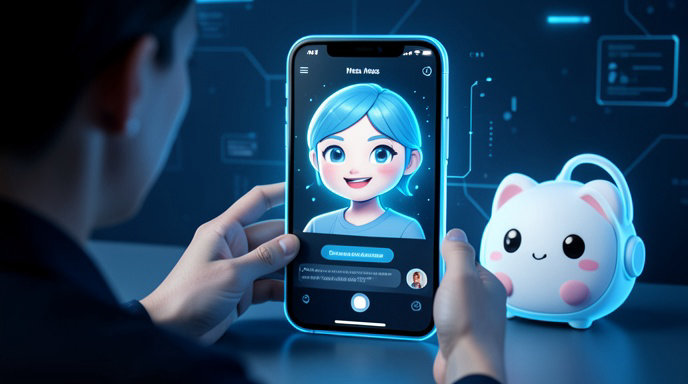
Meta is expanding its vision for AI assistants beyond text boxes and voice commands. The company is testing video conversations with Muse, an animated AI character that can appear on screen during a call and respond in real time.
The experience is designed to make Meta AI feel less like a conventional chatbot and more like a persistent digital companion. Rather than simply reading responses from a static interface, users can interact with a customizable avatar that looks at them, reacts during a conversation, and maintains a more recognizable personality.
The rollout is reportedly focused on users in the United States, although access may depend on the Meta AI app, account eligibility, device, and the specific test version available to each person.
What Is Muse?
Muse is Meta’s avatar-based AI experience. It combines the company’s conversational AI with an animated on-screen character that can participate in voice and video interactions.
During a video chat, Muse appears as a digital persona rather than as a human-like video caller. The avatar can speak, listen, and respond while using facial expressions and other animations to make the exchange feel more conversational.
The concept is different from a traditional video call. Users are not connecting to another person, and Muse is not represented by a photorealistic synthetic human. Instead, Meta is presenting the assistant as a character that can be personalized and potentially become familiar over repeated interactions.
How Video Calls With Muse Work
Eligible users can start a conversation with Muse through Meta AI’s interface. The experience uses the device’s camera and microphone to support a two-way interaction.
The camera allows Muse to respond to visual information and gives the conversation a more direct, face-to-face feel. Depending on the available version of the feature, users may be able to show Muse objects, ask about what is in front of them, or seek help with tasks that benefit from visual context.
The interaction is still powered by Meta’s AI systems, so responses can include the familiar limitations of generative AI. Muse may misunderstand a question, misinterpret an image, provide outdated information, or confidently produce an incorrect answer.
The animated presentation is intended to make those exchanges feel more engaging, but it does not change the underlying need to verify important information.
Customization Is a Central Part of the Experience
One of Muse’s defining features is personalization. Meta is positioning the avatar as something users can adapt to their preferences rather than a single standardized assistant.
Customization options may include aspects such as Muse’s visual appearance, voice, personality, and conversational tone. Users could be able to make the character more playful, serious, energetic, calm, or otherwise suited to the type of interaction they want.
The precise controls may vary during testing. Meta has not publicly established a final, universal set of options for every user, and experimental features can change as the company collects feedback.
The emphasis on customization is important because it shifts the role of AI from a utility to a relationship-like product. A personalized avatar is easier to recognize and remember than a generic assistant, which could encourage people to use it more frequently.
Muse Is More Than an Animated Interface
Although the avatar is the most visible part of the experience, Muse is also connected to Meta’s broader strategy for AI agents.
Meta has been working to make its AI tools more capable of handling ongoing conversations, understanding context, and assisting across its products. An agent that can see, hear, speak, and maintain a consistent identity could eventually help users with tasks throughout the day.
That might include answering questions, offering reminders, helping interpret surroundings, providing recommendations, or acting as an interface for Meta’s apps and devices.
For now, video calling with Muse appears to be primarily an interaction and personality feature. The larger ambition is to create an assistant that feels continuously available instead of something users open only when they need a quick answer.
The Link to Meta’s Wearable Plans
Muse’s most significant role may be outside the phone. Meta is reportedly developing a Tamagotchi-like wearable designed to make the AI companion more constant and visible in a user’s daily life.
The comparison to a Tamagotchi suggests a small, always-present device or character that users can check on, interact with, and perhaps develop a sense of attachment to over time. Rather than being limited to a smartphone screen, Muse could become part of a dedicated wearable experience.
A wearable companion could give Muse access to more situational context, including a user’s surroundings, schedule, movement, and interactions with other devices. That would make the assistant more proactive, although it would also raise significant questions about privacy, consent, battery life, and data storage.
Meta has not finalized all details of the reported device. Its design, name, price, release date, and relationship with existing Meta hardware remain subjects of ongoing development and reporting.
Why Meta Wants an AI Character
The avatar approach gives Meta a way to differentiate its assistant from competing chatbots. Many AI products currently rely on text interfaces, synthetic voices, or static profile images. Muse adds a recognizable character and a visual presence.
That could make AI easier to use for people who prefer speaking rather than typing. It could also make conversations feel more approachable, particularly for casual questions, entertainment, language practice, or companionship.
The strategy carries risks as well. A lifelike or emotionally expressive avatar may encourage users to treat an AI system as if it were a person. That can create confusion about what Muse understands, remembers, or feels.
Meta will need to make clear that Muse is an AI system, not a human adviser or independent companion. Transparency will be especially important if the character becomes available through a wearable that can listen or observe throughout the day.
Privacy and Data Questions
Video-based AI interactions create additional privacy concerns beyond ordinary chatbot conversations. The system may process spoken conversations, camera footage, images of nearby people, and details about a user’s environment.
Users should expect to review the relevant privacy settings before trying the feature. Important questions include whether video and audio are stored, how long they are retained, whether they are used to improve Meta’s models, and whether users can delete associated data.
Bystander privacy is another concern. People who appear in the camera’s view may not know that an AI system is analyzing the scene. A wearable version of Muse would make this issue even more complicated because the device could be used in public or around people who have not agreed to be recorded.
Meta’s approach to consent, indicators, recording controls, and data handling will likely determine how comfortable users feel adopting the technology.
Availability and Limitations
Muse video calling is not necessarily available to every Meta AI user. Meta often rolls out experimental capabilities gradually, which means access can vary by country, account, app version, operating system, and device.
Users in the United States may see the option appear in Meta AI without a separate announcement, while others may need to wait for an invitation or future update. A feature visible in testing may also be modified, restricted, or removed before a broad release.
The experience may have practical limitations, including conversation length, supported languages, response delays, visual recognition errors, and restrictions on sensitive topics. The avatar’s behavior and available customization tools could also change as Meta refines the product.
What Users Should Expect Next
The current video-chat experience appears to be an early step toward a more persistent AI companion rather than a finished product. Meta is testing whether users want to interact with an AI through a character and whether personalization makes people return more often.
Future versions could connect Muse across phones, smart glasses, messaging platforms, and other Meta hardware. The reported wearable would take that idea further by making the assistant available without requiring a user to open an app.
That broader ecosystem could become one of Meta’s strongest advantages in AI. The company controls major social platforms, messaging services, consumer hardware, and advertising infrastructure. If Muse can move smoothly between those products, it could become a recognizable interface for Meta’s AI services.
The challenge will be balancing convenience with control. Users may welcome an assistant that feels present and personalized, but they will also want clear boundaries around when it is listening, what it can see, what it remembers, and how much influence it has over their daily routines.
The Bottom Line
Meta’s Muse represents a shift from AI assistants as tools toward AI assistants as characters. Video calls, animated reactions, and customization make the experience more personal than a standard text conversation.
For US users who receive access, the feature offers an early look at how Meta wants people to interact with its AI across phones and future hardware. The reported Tamagotchi-like wearable could eventually make Muse a much more continuous companion.
However, the product remains closely associated with testing and longer-term plans. Users should treat current capabilities, customization options, availability, and hardware details as subject to change while Meta works out the technical, privacy, and social implications of an AI that is designed to stay with them.

Get All The Latest Updates Delivered Straight To Your Inbox For Free!