
AI-Powered Bird Feeders: Your New Backyard Companion for Nature Exploration
TL;DR
- Kiwibit’s smart bird feeders combine a feeder, camera, and app so users can watch birds in real time, receive alerts, and identify species from their phones.
- The latest models emphasize 4K video, solar charging, and AI species recognition, with some advanced features tied to a paid cloud subscription.
- The category is growing as birders, casual homeowners, and gift buyers look for a backyard device that turns birdwatching into a more interactive, game-like experience.
AI bird feeders are turning backyards into living nature dashboards
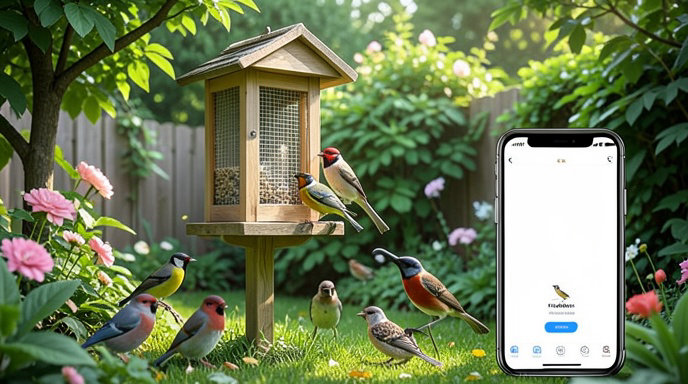
Smart bird feeders are moving from novelty gadgets into a more polished consumer category, and Kiwibit is one of the clearest examples of that shift. Its feeder pairs a physical bird feeder with a camera and smartphone app, letting users see visiting birds, get notifications, and identify species without having to stand at the window with a field guide.
The pitch is simple: attract birds to your yard, capture them in action, and use AI to make sense of what you’re seeing. That combination is what makes the product feel closer to a nature-focused game than a passive feeder, especially for users who enjoy collecting sightings, comparing species, and sharing clips with friends.
What Kiwibit’s feeder does
Kiwibit’s current smart feeder line centers on a camera-equipped unit with app connectivity and AI-assisted bird identification. Reviews and product listings describe 4K live video, motion alerts, and the ability to organize bird visits in the app, with some models also featuring solar panels to reduce charging hassles.
A major selling point is species recognition. Kiwibit says its AI can identify more than 10,000 bird species, and third-party coverage notes that the company pulls contextual information into the app around each sighting. In practice, that means users can move from “there’s a bird outside” to “that was a cardinal” or “that was a chickadee” with far less effort than traditional birdwatching requires.
The app is the real product
The feeder hardware gets attention, but the app is where the experience becomes useful. A review video shows the app sending alerts when birds arrive and surfacing photos of birds that have already visited, along with species counts and other visit details. That kind of interface makes the feeder feel like a small wildlife logbook that updates itself automatically.
Kiwibit also uses a subscription layer for some AI features. Twice reported that advanced AI species identification is available through a Kiwibit Plus plan priced at $7.99 per month at the time of writing, while video and feeder hardware remain the core purchase. Other listings and reviews describe different configurations and promotions, so buyers need to check whether the model they want includes AI features out of the box or through a subscription.
Why birdwatchers and casual users are paying attention
The appeal goes beyond bird identification. Smart feeders give users a reason to check the app throughout the day, which turns ordinary backyard activity into a running stream of small discoveries. Wirecutter’s 2026 smart bird feeder coverage suggests the broader category is resonating because it combines recording, trivia, and community features with a birdwatching hobby that already lends itself to observation and sharing.
That makes these devices especially attractive to people who want a low-effort way to get closer to nature. A feeder that automatically captures birds can help beginners learn local species, give families something to watch together, and provide hobbyists with a more complete record of backyard visitors than they could gather manually.
Solar power and maintenance matter as much as AI
For a backyard product, convenience is critical. Kiwibit’s newer feeders emphasize built-in solar panels and all-weather operation, which reduce the need for constant recharging and help support a more permanent outdoor setup. One review specifically noted strong battery life alongside the solar-assisted design.
That matters because a smart feeder only works if it stays powered, connected, and positioned where birds will actually use it. The hardware has to satisfy both wildlife and owners, which is why the best products in this segment are increasingly judged on practical details such as weather resistance, battery performance, app reliability, and how often users need to interact with them.
The trade-offs: subscription fees and gadget overkill
The biggest downside is that the smartest features may not be free. Coverage of Kiwibit’s feeder shows advanced AI functions tied to paid plans, and some competing products in the category also split features between base hardware and cloud services. For shoppers, that means the real cost may be higher than the sticker price suggests.
There is also a question of whether these devices are too much technology for a simple hobby. But for many users, that is exactly the point: the feeder turns birdwatching into a more accessible, data-rich, and shareable experience. Instead of replacing nature, the device acts as an interface for noticing it more often.
A broader trend in connected backyard tech
Kiwibit’s feeder fits into a wider trend in consumer tech: products that use AI, cameras, and apps to make everyday outdoor activities more interactive. The bird feeder category is especially well suited to that approach because birds are already unpredictable, visually interesting, and easy to monitor from a stationary location.
That combination explains why these devices are being marketed not just to birders, but also to gift buyers and homeowners looking for something playful and educational. Kiwibit’s framing as a “smart nature theater” captures the idea well: the backyard becomes a stage, and the app becomes the front-row seat.
What buyers should look for
Anyone considering a Kiwibit-style feeder should compare a few things before buying:
- Whether AI identification is included or requires a subscription.
- Video quality, since Kiwibit markets 4K cameras on some models while other smart feeders emphasize different resolutions.
- Power setup, especially whether the unit includes solar charging for low-maintenance use.
- App features, including alerts, photo history, species tracking, and sharing options.
- Durability, since the feeder must survive outdoor conditions while attracting actual birds, not just tech enthusiasts.
For now, the category’s momentum suggests that smart bird feeders are no longer just quirky gadgets. They are becoming one of the more compelling examples of how AI can make a familiar home product feel educational, social, and genuinely fun.

Get All The Latest Updates Delivered Straight To Your Inbox For Free!