
Google Unleashes Agentic AI and Vibe-Coded Widgets on Android
TL;DR
- Google unveiled agentic AI features for Android at the Android Show: I/O Edition, enabling Gemini to handle multistep tasks like shopping lists to checkouts across apps.
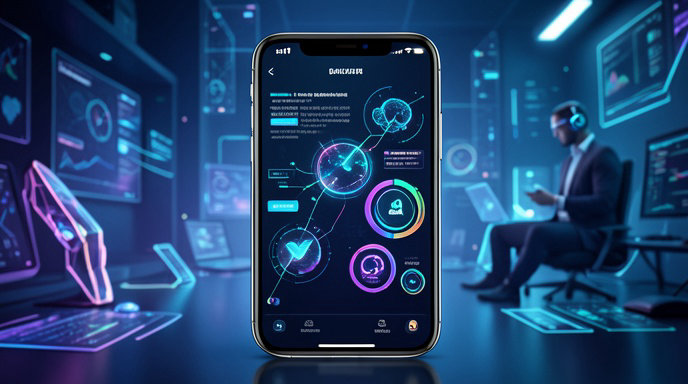
- New "vibe-coded widgets" let users create custom Android widgets through natural language descriptions, powered by Gemini Intelligence.
- Enhanced Gboard integrations bring advanced dictation, form-filling, web browsing, and speech-to-text capabilities directly to Android devices.
Agentic AI Transforms Everyday Android Tasks
Google is pushing the boundaries of AI on Android with groundbreaking agentic capabilities, announced at the latest Android Show: I/O Edition. Agentic AI refers to intelligent systems that don't just respond to queries but proactively plan, reason across multiple steps, and execute actions on behalf of users—with human oversight. Gemini Intelligence, Google's evolving AI suite, now powers these features, turning smartphones into proactive assistants.
At the heart of this rollout is Gemini's ability to tackle complex, cross-app workflows. Imagine pressing your phone's power button, describing a task like "Copy my grocery list from notes and add it to my shopping app," and watching the AI handle it seamlessly. The system uses on-screen context for accuracy, browses the web if needed, fills forms, and even dictates speech. Crucially, it pauses for user confirmation before final actions like checkouts, ensuring safety and control.
This builds on earlier previews, such as Gemini booking rides or classes at the Samsung Galaxy S26 launch, and experimental web-browsing tools. By late June, Gemini in Chrome will summarize webpages and answer questions contextually, mirroring desktop features.
Vibe-Coded Widgets: Personalization Meets AI Creativity
One of the most exciting reveals is "vibe-coded widgets," a novel way to design custom Android home screen widgets. Forget traditional coding—users simply describe the "vibe" they want, like "a minimalist weather widget with neon accents," and Gemini generates it on the fly. This leverages multimodal AI advances, including native image and audio output, to create visually stunning, functional elements tailored to personal style.
These widgets integrate deeply with Android's ecosystem, pulling real-time data while maintaining privacy through on-device processing where possible. It's a game-changer for personalization, making Android home screens as unique as fingerprints.
Gboard Supercharged: Dictation, Forms, and Beyond
Gemini Intelligence shines through Gboard, Google's keyboard app, with enhanced features that feel almost magical. Dictation now handles nuanced speech-to-text with better context awareness, powering tasks like composing emails or notes hands-free. Form-filling is smarter too—AI scans screens, auto-populates fields from your data or web searches, and navigates multi-step processes.
Additional perks include web browsing automation (e.g., booking appointments) and integration with apps for tasks like finding syllabi in Gmail or shopping for related books. These tools roll out progressively, starting with experimental versions in Google AI Studio and Vertex AI.
Developer Tools and the Broader Agentic Ecosystem
Developers aren't left out. Android Studio gains "Agent Mode" for Gemini, featuring real-time documentation grounding, API upgrades, project assistants, and support for custom LLMs. A revamped Android CLI slashes token usage by 70% and speeds tasks 3x, with commands for SDK management, project creation, and virtual devices. The new Android Knowledge Base keeps agents updated post-LLM training cutoffs.
This ties into Google's "agentic era," powered by models like Gemini 2.0 and Gemma 4, emphasizing reasoning, tool-calling, and multimodality. Projects like Astra (environmental awareness) and Mariner (autonomous browsing) hint at future expansions into gaming, research, and commerce.
What's Next for Android's AI Revolution
These updates position Android at the forefront of on-device AI, blending power with user agency. With Android 17 hitting platform stability, apps can now target these features for Play Store release. As Sundar Pichai noted, agentic AI understands the world, plans ahead, and acts—ushering in universal assistants. Expect wider rollouts through 2026, transforming how we interact with our phones.

Get All The Latest Updates Delivered Straight To Your Inbox For Free!