
Google's AI Training Under Legal Fire: Publishers Take a Stand Against Copyright Infringement
TL;DR
- Major publishers intervene: Hachette Book Group, Cengage Learning, and Elsevier have filed to join a 2023 class-action lawsuit against Google, alleging the company used millions of unauthorized copyrighted works to train its Gemini AI models.
- Allegations of piracy and bypassing licenses: Plaintiffs claim Google sourced content from pirate sites like Z-Library and subscription platforms such as Scribd without permission, stripping copyright management information to conceal its training sources.
- Legal battle over AI future: The case, now before Judge Eumi K. Lee in California, could redefine whether training AI on copyrighted material qualifies as fair use, with publishers seeking statutory damages and injunctions to stop further infringement.
Publishers Take a Stand Against Copyright Infringement
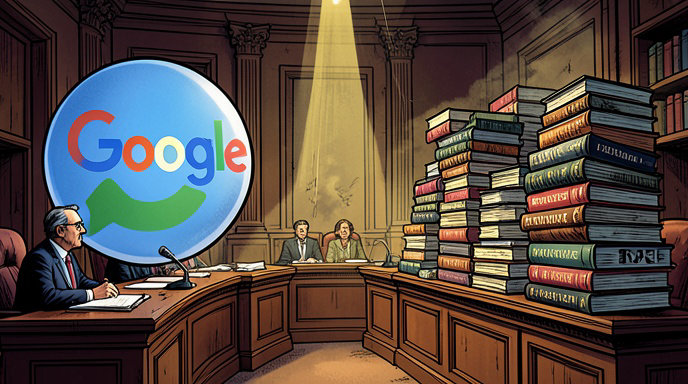
A landmark legal battle is intensifying in the U.S. federal court system as major publishing houses formally enter a lawsuit challenging Google’s use of copyrighted materials to train its artificial intelligence. Hachette Book Group, Cengage Learning, and Elsevier have filed motions to intervene as class representatives in the ongoing case In Re Google Generative AI Copyright Litigation, arguing that Google committed one of the most extensive violations of copyrighted content in history to develop its Gemini large language model.
The lawsuit, originally filed in 2023 by individual authors and visual artists, now represents a powerful coalition of publishers and creators seeking to halt what they describe as "historic copyright infringement."
The Core Allegations: Piracy and Unauthorized Scraping
The plaintiffs’ complaint outlines a systematic effort by Google to bypass legal licensing agreements and access protected content through illicit channels. According to the filing, Google downloaded unauthorized web scrapes of virtually the entire internet, including content from known pirate sources like Z-Library and behind paywalls on subscription platforms such as Scribd.com.
The complaint details a multi-step process of infringement:
- Google accessed books from piracy websites and duplicated them multiple times throughout the AI training procedure.
- The company transferred works into computer memory, converted them into AI-readable formats, and reused them in training sets for updated model versions.
- Google allegedly stripped copyright management information from stolen works to conceal its training sources and facilitate unauthorized use.
Publishers assert that ten specific instances of their textbooks and publications were misappropriated to enhance Gemini, including works by bestselling author Scott Turow.
The Legal Strategy: Joining an Existing Class Action
Rather than filing a separate lawsuit, Hachette and Cengage are defending their bid to join the existing class action as class representatives for publishers. This strategic move aims to consolidate claims and increase the pressure on Google by expanding the scope of the plaintiff group.
The Association of American Publishers (AAP) confirmed that its member publishers moved to intervene this week, positioning themselves alongside the original plaintiffs of illustrators and writers. The case is currently presided over by Judge Eumi K. Lee in the Northern District of California.
A key hearing on class certification is scheduled for February 20, 2026, where publishers will argue for their formal inclusion in the class. At this stage, there is no indication that the publishers are planning a separate legal action, focusing instead on strengthening their position within the consolidated case.
What the Publishers Want: Damages and Injunctions
The legal action seeks significant remedies to address the alleged infringement. Plaintiffs are pursuing:
- Statutory damages for the unauthorized use of their works.
- Injunctions to prevent Google from continuing to infringe on their copyrights.
- An order for Google to eliminate all unauthorized copies of their works.
- A requirement for Google to reveal which titles were utilized in training Gemini.
The publishers argue that Gemini now generates outputs that "replace copyrighted works," including direct reproductions, comprehensive summaries, and imitations that replicate creative features of original pieces. They contend that Google’s actions constitute direct infringement at every phase of the development process.
The Broader Implications for AI and Copyright Law
This lawsuit is part of a growing wave of legal challenges against AI companies regarding copyright. Similar allegations have been made against Meta, with publishers including McGraw-Hill, Macmillan, and Elsevier accusing the company of unlawfully copying materials to train its Llama models. Meta has defended its position, stating that courts have determined training AI on copyrighted materials can qualify as fair use, and vowed to vigorously contest the lawsuit.
Google has also faced partial legal setbacks in related copyright cases. In a recent ruling, Judge Lee dismissed allegations regarding ten AI models excluding Gemini due to insufficient evidence connecting the copyrighted materials to those systems, though infringement claims for other models were allowed to proceed. The judge also dismissed all claims against Google’s parent company, Alphabet Inc., rejecting the notion that the parent organization should be held accountable.
The outcome of the publisher-led intervention could have far-reaching consequences for the AI industry. If the court rules that Google’s training methods constitute infringement, it could force tech giants to secure licenses before using copyrighted data, fundamentally reshaping the landscape of AI development and copyright laws. Conversely, a ruling favoring fair use could cement the current practice of large-scale data scraping as a standard industry operation.
As the February hearing approaches, the legal community and tech industry are watching closely to see how the court balances the rights of creators with the rapid advancement of artificial intelligence.

Get All The Latest Updates Delivered Straight To Your Inbox For Free!