
Google's Clean Energy Triumph vs. xAI's Controversial Gas Plant
TL;DR
- Google is constructing the world’s largest battery system (30 gigawatt-hours) in Minnesota, paired with 1.9GW of clean energy to power a new data center.
- xAI’s unpermitted gas power plant is located just 40 miles away from Google’s clean energy project, sparking controversy over fossil fuel reliance near renewable infrastructure.
- The proximity highlights a growing tension between renewable energy expansion and fossil fuel dependency in the tech industry’s race to power AI and data centers.
A Tale of Two Energy Paths
The energy landscape surrounding next-generation data centers in Minnesota has become a stark symbol of the tech industry’s conflicting priorities. On one side, Google is spearheading a massive clean energy initiative featuring the world’s largest battery installation, designed to store 100 hours of power. Just 40 miles away, xAI, the artificial intelligence company founded by Elon Musk, is operating an unpermitted gas power plant, drawing criticism for its reliance on fossil fuels in the same region.
This geographic juxtaposition has ignited a broader conversation about the sustainability of AI infrastructure and the future of energy in the United States.
Google’s Clean Energy Triumph
Google’s project in Pine Island, Minnesota, represents a milestone in renewable energy deployment. The company announced a 1.9 gigawatt clean energy deal that includes 1.4 gigawatts of wind power, 200 megawatts of solar, and a 300-megawatt battery system made by startup Form Energy.
The battery, with a capacity of 30 gigawatt-hours, is the largest announced energy storage project globally and can deliver power for 100 hours—a critical feature for maintaining data center operations during extended cloudy periods or severe weather. This long-duration iron-air battery technology addresses reliability concerns often raised by skeptics of renewable energy, offering a stable power supply comparable to baseload fossil fuel or nuclear sources.
Google’s first Minnesota data center, set to be operational by 2028, will supply energy to over 200,000 households and marks the first major cloud service provider contract for this emerging battery sector.
xAI’s Controversial Gas Plant
In stark contrast, xAI has been constructing a gas-fired power plant in the same region without obtaining proper permits. The facility, located approximately 40 miles from Google’s Pine Island site, has drawn scrutiny from environmental groups and local officials for bypassing regulatory oversight.
While Google emphasizes carbon-free energy to meet the growing demands of its data centers, xAI’s reliance on natural gas underscores the industry’s struggle to balance rapid AI expansion with sustainability goals. The unpermitted status of the plant has led to legal challenges and public debate over whether AI companies should be held to the same environmental standards as traditional tech firms.
The Proximity Paradox
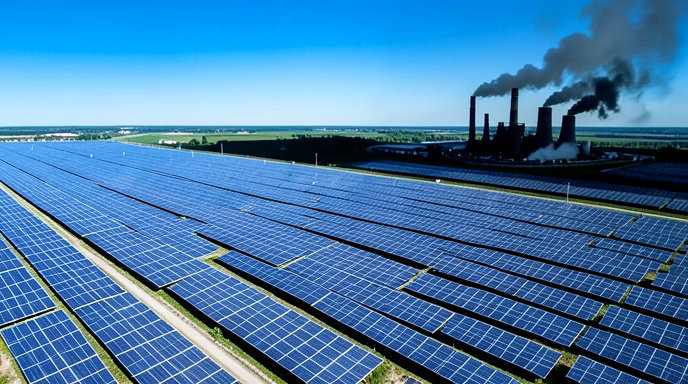
The 40-mile gap between Google’s renewable project and xAI’s gas plant creates a powerful visual and symbolic divide. It highlights how two major players in the tech sector are pursuing opposite energy strategies in the same geographic corridor.
This proximity raises questions about regional energy policy, grid reliability, and the environmental impact of AI infrastructure. While Google’s project aims to decarbonize the grid, xAI’s plant could increase local emissions and strain permitting processes, potentially undermining statewide clean energy goals.
Broader Implications for Renewable Energy
The contrast between these two projects reflects a larger industry trend: as AI and data center demand surges, companies are forced to choose between fast-deploying fossil fuels and long-term renewable investments.
Google’s approach demonstrates that large-scale battery storage can make renewables viable for critical infrastructure, reducing the need for fossil fuel backups. Meanwhile, xAI’s gas plant illustrates the short-term pressures that can lead companies to prioritize speed over sustainability.
As the debate continues, the Minnesota case study may influence how future data centers are powered—and whether the tech industry can truly align its growth with climate goals.
The Future of Tech Energy Policy
The outcome of this energy showdown could reshape regulatory frameworks for AI infrastructure. If xAI’s unpermitted plant faces shutdown or penalties, it may signal stricter enforcement of environmental rules for tech companies. Conversely, if the plant is allowed to operate, it could encourage more fossil fuel reliance in the sector.
For now, the 40-mile divide between Google’s clean energy triumph and xAI’s controversial gas plant serves as a microcosm of the global struggle between renewable innovation and fossil fuel dependency in the age of artificial intelligence.

Get All The Latest Updates Delivered Straight To Your Inbox For Free!