
Imagining Independence: How AI and Google Workspace Could Transform History
TL;DR
- Google released a new AI-generated commercial humorously reimagining the Founding Fathers drafting the Declaration of Independence using modern tools like Google Workspace and Gemini AI.
- The ad, part of the "America 250" campaign, highlights the transformative potential of AI in historical storytelling while sparking debates about the ethics of applying modern technology to historical contexts.
- The commercial avoids the "uncanny valley" by using stylized animation and clever casting (including a turkey), demonstrating Google's ability to blend creativity with advanced generative AI tools.
Imagining Independence: How AI and Google Workspace Could Transform History
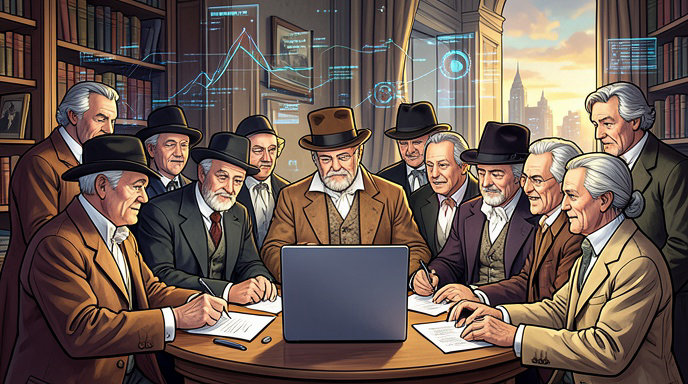
In a bold and humorous move, Google has unveiled its latest AI-generated commercial that completely reimagines one of the most pivotal moments in American history. The video envisions the Founding Fathers of the United States not huddled over parchment with quills, but collaborating in real-time using Google Workspace, drafting the Declaration of Independence with the help of Gemini AI.
Part of the "America 250" campaign celebrating the nation's upcoming 250th anniversary, the ad was highlighted by Sundar Pichai, CEO of Alphabet. The commercial playfully asks: "What if the Founding Fathers had access to modern technology?" The result is a vibrant, fast-paced narrative where Benjamin Franklin and Thomas Jefferson debate clauses in a shared digital document, using AI to refine their rhetoric and streamline the drafting process.
The Power of AI in Historical Storytelling
The commercial is more than just a joke; it serves as a powerful demonstration of how AI and collaboration tools can reshape our understanding of history. By placing historical figures in a modern digital environment, Google illustrates the seamless integration of AI into creative workflows.
Gemini AI is shown acting as a "co-pilot," suggesting improvements to the Declaration's language and helping the Founding Fathers navigate complex grammatical structures. This narrative underscores the ad's core message: that innovation is not just about inventing new tools, but about how we apply them to solve problems, even problems that are centuries old.
The ad suggests that the spirit of innovation driving the Founding Fathers is the same spirit that drives today's AI developers. It bridges the gap between the 18th century and the 21st, showing that the drive to create, refine, and improve is a timeless human trait.
Navigating the Ethics of AI and History
While the commercial is entertaining, it inevitably raises important questions about the implications of using AI in historical contexts. Critics and historians may wonder if reimagining historical events with modern technology trivializes the gravity of those moments or alters our perception of the past.
However, Google's approach is clearly rooted in humor and celebration rather than deception. The ad does not claim to be a factual record; instead, it uses "what if" storytelling to engage viewers in a conversation about the future of work and creativity.
The campaign also touches on the broader ethical landscape of AI. As Google continues to integrate AI into its advertising platform, the company has recently announced new requirements for political ads to disclose the use of synthetic content. This includes clear labels for images and audio generated by AI, ensuring that viewers know when they are engaging with content that depicts events that did not occur. While this commercial is not a political ad, it aligns with the company's broader commitment to transparency in the age of generative AI.
Avoiding the Uncanny Valley
One of the most impressive technical achievements of the commercial is how it avoids the "uncanny valley"—the unsettling feeling viewers often get when AI-generated humans look almost real but not quite. Instead of attempting a realistic simulation of the Founding Fathers, Google opted for a stylized, animated approach.
The ad features clever casting choices, including a turkey that plays a surprising role in the drafting process, adding a layer of whimsy that keeps the tone light and engaging. By using animation and stylized visuals, the commercial ensures that the audience remains focused on the narrative and the technology rather than questioning the authenticity of the characters.
This approach demonstrates Google's mastery of generative video tools. The ad was created using advanced AI models capable of producing high-quality visuals from text prompts, showcasing the company's ability to blend creativity with cutting-edge technology.
The Future of Innovation and Creativity
The "America 250" commercial is a glimpse into the future of innovation and creativity. It suggests that the tools we use today—AI, cloud collaboration, and real-time editing—will become the standard for how we approach problems in the future, just as they did for the Founding Fathers in this fictional scenario.
As AI continues to evolve, its role in storytelling, education, and historical analysis will likely expand. The commercial serves as a reminder that technology is not just a tool for efficiency; it is a catalyst for new forms of expression and understanding.
Whether the Founding Fathers would have actually used Google Workspace remains a mystery, but the commercial leaves us with a clear message: the spirit of innovation is eternal, and the tools we use to shape our world are constantly evolving. In imagining a different past, Google invites us to dream about a more innovative future.

Get All The Latest Updates Delivered Straight To Your Inbox For Free!