
TikTok Eyes Peer-to-Peer Payments in DMs via TikTok Pay Expansion
TL;DR
- TikTok is reportedly testing peer-to-peer payments inside direct messages, allowing users to send money to each other via an expanded TikTok Pay wallet.
- The feature would build on TikTok Pay's existing infrastructure for TikTok Shop checkouts in Southeast Asia, turning DMs into a new checkout and transfer channel.
- If rolled out globally, the move could challenge established P2P players like Venmo and Cash App while accelerating TikTok's long-term super-app ambitions.
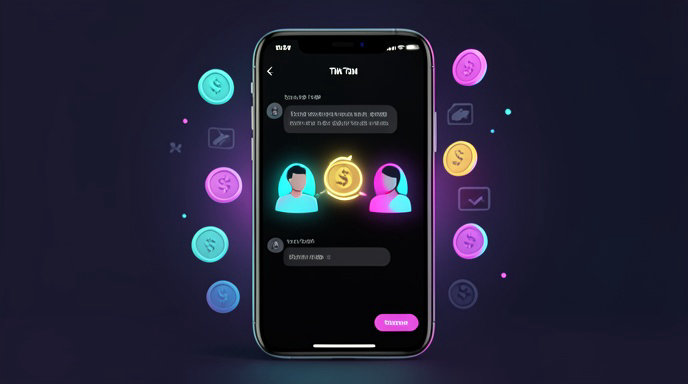
TikTok may be about to make your DMs a lot more transactional. According to recent reports, the ByteDance-owned platform is exploring a new peer-to-peer payments feature that would let users send money directly to friends and creators inside TikTok's messaging interface, powered by its existing TikTok Pay platform.
While TikTok has not officially confirmed a launch timeline, the reported exploration signals a significant expansion of its financial services footprint and a clear step toward becoming an all-in-one super-app in the vein of China's WeChat and its sister app Douyin.
From Shop Checkout to Peer-to-Peer
For now, TikTok Pay is a relatively limited tool. Launched to support frictionless commerce, it currently operates primarily in Southeast Asia — including markets like Indonesia, Malaysia, Thailand, Vietnam, and the Philippines — where it serves as a stored wallet and checkout method for TikTok Shop purchases. Users can link bank accounts or cards, top up a balance, and pay for products discovered in live streams and shoppable videos without leaving the app.
The reported P2P expansion would repurpose that same infrastructure for person-to-person transfers. Instead of just paying a merchant, users would be able to tap a new payment icon within a DM thread, enter an amount, and send funds instantly from their TikTok Pay balance. For recipients, the money would land in their own TikTok Pay wallet, where it could be kept for future Shop purchases, sent on to someone else, or withdrawn to a linked bank account.
Sources suggest the experience is being designed to feel as native as sending an emoji or a video — a deliberate move to reduce friction and keep financial activity inside TikTok's ecosystem rather than pushing users to external apps.
Why DMs Make Sense for Social Commerce
On the surface, P2P payments in DMs may look like a simple convenience feature, but its implications for social commerce are much larger. TikTok has already blurred the line between entertainment and shopping, with creators selling products directly through videos, LIVE Shopping, and affiliate links. Adding P2P payments closes another loop.
Imagine splitting the cost of a viral TikTok Shop product with a friend without switching to Venmo, tipping a creator directly after a livestream, or paying a seller you discovered via DM for a custom order. By embedding payments into conversations, TikTok could turn its chat function from a secondary engagement tool into a core commerce engine.
This also gives TikTok valuable data on transactional relationships and purchasing intent, which could be used to refine its recommendation algorithm, personalize Shop feeds, and offer sellers more targeted promotional tools. For creators, especially micro-sellers and social vendors who already handle orders informally via DMs, a native payment option could legitimize and streamline an entire shadow economy.
A Crowded P2P Battlefield
If TikTok moves forward, it would enter one of the most competitive corners of fintech. In the U.S., the P2P market is dominated by PayPal's Venmo, Block's Cash App, and Zelle, while globally, messaging-based payments are already normalized through WeChat Pay and Alipay in China, KakaoPay in South Korea, and increasingly, WhatsApp Pay in India and Brazil.
TikTok's advantage is not necessarily technology, but distribution. With more than a billion monthly active users and unparalleled time-spent among Gen Z and Millennials, it doesn't need to acquire users for a new payments app — it just needs to activate the ones it already has. The challenge will be trust, regulation, and adoption. P2P payments require robust fraud protection, KYC compliance, and money transmitter licenses that vary dramatically by country, which is likely why TikTok Pay started in Southeast Asia where ByteDance has already secured e-money licenses.
Analysts note that any U.S. or European rollout would face intense regulatory scrutiny, especially given ongoing concerns from lawmakers about TikTok's data handling and its Chinese parent company. Convincing users in markets where Venmo and Apple Cash are already entrenched to switch to TikTok for money transfers will also be an uphill battle.
The Super-App Strategy Comes Into Focus
Ultimately, the reported P2P test is less about payments alone and more about TikTok's broader super-app strategy. ByteDance has been transparent about its inspiration: Douyin, the Chinese version of TikTok, already functions as a super-app offering food delivery, ride-hailing, travel booking, and its own payment service, Douyin Pay.
TikTok has been slowly assembling the same pieces internationally — expanding TikTok Shop, testing local services, adding job search features, and growing TikTok Music. A full-featured wallet with P2P capability is the connective tissue that makes all of those services work together. A user who gets paid in a DM can immediately spend that balance on Shop, gift it to a creator, or use it for a future in-app service without ever cashing out.
Whether users actually want their entertainment app to also be their bank remains an open question. But if TikTok can make sending money as viral and effortless as sending a video, it may not need to ask — users will simply do it.

Get All The Latest Updates Delivered Straight To Your Inbox For Free!