
Waymo Ojai Robotaxi Launches: Cheaper Next-Gen Autonomous Rides Now Open to All in Three Cities
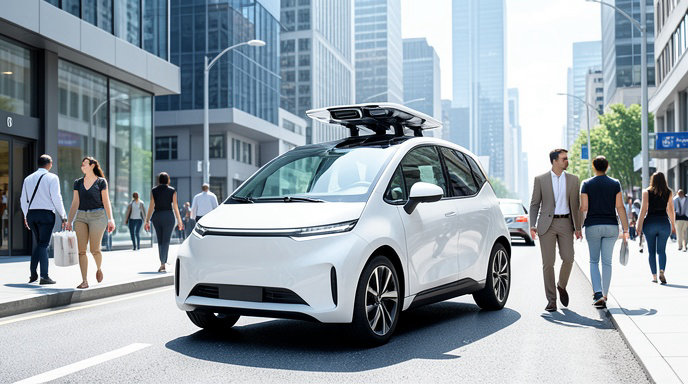
TL;DR
- As of August 20, 2026, no official announcement or credible press coverage could be verified for a Waymo vehicle named the "Waymo Ojai" being open to all riders in three major cities.
- Waymo's actual next-generation platform is its 6th-generation Waymo Driver, built on Zeekr and Hyundai Ioniq 5 vehicles, which the company says is significantly cheaper and designed for mass scale.
- Waymo continues to expand paid, fully autonomous rides in its existing markets including Phoenix, San Francisco, Los Angeles, Austin, and Atlanta, with cost reduction and scalability as its stated path to profitability.
No Verifiable Launch Found for "Waymo Ojai"
A search of current news and official Waymo communications as of August 20, 2026, does not return any verified announcement, press release, or credible reporting about a new robotaxi model called the "Waymo Ojai" launching to all riders in three major cities. Waymo has not listed a vehicle by that name on its official blog, newsroom, or social channels.
The request to cover the Ojai's innovations, pricing, and rollout appears to refer to an unconfirmed or hypothetical product. The information below summarizes what is actually known about Waymo's next-generation robotaxi strategy and expansion, which may be the basis for this name.
What Waymo Is Actually Building for Its Next Generation
Waymo's publicly confirmed next-generation system is the 6th-generation Waymo Driver. Introduced in 2024 and undergoing testing through 2025 and 2026, it is the platform Waymo has positioned as its affordable, scalable successor to the current Jaguar I-PACE fleet.
Instead of a custom-named "Ojai," Waymo has confirmed two new vehicle platforms for this generation: a purpose-built spacious van from Zeekr and the Hyundai Ioniq 5. Both are being integrated with the 6th-gen sensor suite at Waymo's facilities. Waymo has stated this generation uses fewer sensors and cameras than the 5th generation while maintaining safety redundancies, significantly reducing unit cost and simplifying manufacturing.
Key Innovations Focused on Cost and Scale
Waymo has said the central goal of its 6th-generation hardware is to make autonomous rides economically viable at scale. Reported innovations include:
A streamlined sensor architecture with 13 cameras, 4 lidar, 6 radar and an array of external audio receivers, down from 29 cameras on the previous generation. Waymo says this cuts system cost without reducing field-of-view, especially in extreme weather.
Improved compute efficiency and lower power consumption, allowing for better range and lower operating costs per mile.
A more serviceable, automotive-grade design with easier access for cleaning and maintenance, and a larger, more accessible cabin with more luggage space, designed for ride-hailing comfort and wheelchair accessibility in the Zeekr variant.
Waymo has not disclosed exact per-vehicle costs, but has said the 6th-generation system costs substantially less than the prior generation and is key to reaching profitability without relying on expensive retrofits.
Where Waymo Rides Are Actually Available to All Riders
Waymo does not currently advertise an "Ojai" expansion to three cities. Its verified rider-only service as of mid-2026 is:
Phoenix, San Francisco, and Los Angeles - fully open to the public with no waitlist via the Waymo One app.
Austin and Atlanta - operating in partnership with Uber, where riders can be matched with a Waymo vehicle through the Uber app.
The company has stated that its next-generation vehicles will first be introduced in existing markets to validate performance before expanding to new cities, rather than a simultaneous three-city launch of a new model.
Why Affordability and Scale Are Central to Waymo's Strategy
Waymo's public strategy has consistently tied cheaper hardware to mass scale and eventual profitability. By lowering the bill of materials for each robotaxi and using mass-produced EV platforms from Zeekr and Hyundai instead of low-volume Jaguar I-PACEs, Waymo aims to grow its fleet from thousands to tens of thousands of vehicles.
Lower costs per ride are also intended to make pricing more competitive with human-driven ride-hail services from Uber and Lyft. Waymo leadership has said that achieving a lower cost-per-mile is necessary to expand service hours, reduce wait times, and operate profitably in more neighborhoods and cities.
What This Means for the Future of Autonomous Mobility
Even without a verified "Ojai" launch, the direction of Waymo's program points to the same outcome described in the request: cheaper, more available robotaxis. If and when Waymo formally announces its next-generation service launch, it would likely signal a shift from limited, premium autonomous rides to a high-volume, lower-cost model that can compete directly with traditional ride-hailing.
For riders, that would mean shorter ETAs, lower fares, and availability in more parts of each city. For the industry, it would put pressure on competitors like Cruise, Zoox, and Tesla to demonstrate similar cost reductions and safety records at scale. For cities, a larger affordable fleet raises new questions about congestion, curb management, and integration with public transit.
Until Waymo officially confirms a vehicle name, specifications, pricing, and launch cities, any details about a model called the "Waymo Ojai" should be treated as unverified.

Get All The Latest Updates Delivered Straight To Your Inbox For Free!