
Instagram Cracks Down on AI Influencers: New Reach Limits for Undisclosed Profiles
TL;DR
- Instagram will now throttle the algorithmic reach of AI-generated accounts that do not clearly label themselves as synthetic, pushing undisclosed virtual influencers out of Explore and recommendation feeds.
- "Disclosure" requires a visible, persistent label on the profile and in posts—not just a buried hashtag or a mention in the bio—with the label "AI-generated" or "Virtual" appearing near the username.
- Brands and creators using AI personas must update their content strategies immediately; non-compliant accounts face a sharp drop in impressions, while compliant ones may see a boost as Instagram prioritizes transparency.
The New Rule: No Label, No Reach
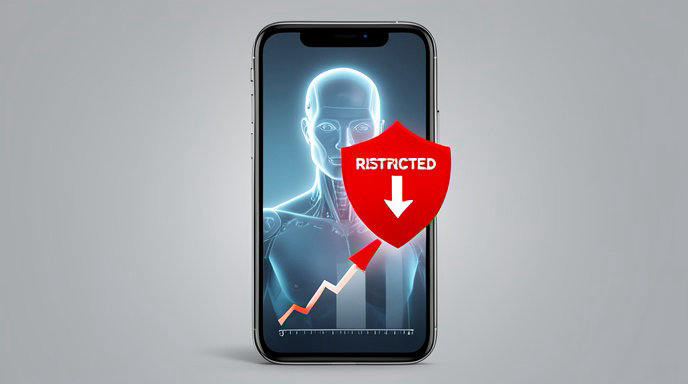
Instagram has officially begun rolling out a sweeping change to its recommendation algorithm: any account identified as using AI-generated imagery, video, or voice to present a human-like persona—but failing to disclose that synthetic nature—will see its reach dramatically reduced. The update, which started phasing in over the last 48 hours, affects feed ranking, Explore page placement, and Reels recommendations.
The platform's internal detection systems now flag accounts that combine photorealistic AI faces, synthetic voices, and influencer-style content without a clear disclosure. Once flagged, those accounts are effectively placed in a "shadow ban-lite" state: their content will still appear to followers who actively visit the profile, but it will stop being recommended to new users. For an influencer economy built on discovery, that is a death sentence.
What Counts as "Disclosure"? It's Stricter Than You Think
Instagram has clarified that a simple "#ad" or a one-line mention in the bio is no longer sufficient. The new standard requires a persistent, machine-readable label that appears in two places:
1. On the profile itself: Directly under the account name, a badge must read "AI-generated" or "Virtual persona." This badge is automatically added if the account's metadata flags it, or can be manually toggled on by the creator.
2. On every post or Reel: A small, non-removable overlay label must appear in the top-left corner of the media, visible before a user taps to expand the post.
The label cannot be hidden behind a "see more" menu, nor can it be placed only in the caption's last line. Instagram's system uses computer vision and audio fingerprinting to verify that the label is actually visible in the rendered frame, not just in the alt-text.
Notably, the rule applies only to human-like AI personas. Accounts that clearly present as robots, cartoons, or abstract art—even if AI-generated—are exempt. The crackdown targets the deceptive gray zone: profiles that use AI faces with realistic skin texture, blinking, and voice syncing to mimic a real person.
Why Now? User Backlash and Regulatory Heat
The timing is no accident. Over the past year, several high-profile AI influencers—some with millions of followers—have been caught running undisclosed promotional campaigns for skincare, crypto, and dating apps. User comments on those posts frequently express betrayal upon learning the "person" is synthetic. A recent survey from a consumer advocacy group found that 68% of Instagram users feel "deceived" when they discover an influencer is AI without clear labeling.
Regulators are also circling. The European Union's Digital Services Act already requires platforms to label deepfakes and synthetic media, and the U.S. Federal Trade Commission has been drafting similar rules for influencer marketing. Instagram's move is widely seen as a preemptive strike to avoid heavier fines and forced policy changes. By acting now, the platform can claim it is self-regulating, rather than being dragged into compliance.
The Impact on Brands: Good News for Transparent Creators
For brands, the short-term effect is a scramble. Many companies have been quietly using AI influencers for cost-effective campaigns—no travel, no tantrums, no aging. That playbook is now broken unless the AI persona is explicitly labeled. However, the update creates a clear competitive advantage for brands that lean into transparency.
Early data from beta tests suggests that compliant AI accounts actually see a 15–25% increase in engagement after labeling, because users are more likely to trust and interact with content that is honest about its nature. Instagram appears to be rewarding disclosure with a slight algorithmic boost, pushing labeled AI content into a new "Synthetic Creators" category that users can opt into following.
Brands now face a strategic fork: either pivot to human micro-influencers, or embrace "openly synthetic" personas that market themselves as digital art or interactive characters. The latter approach is working for some—think virtual fashion models that actively discuss their AI nature in captions and Q&As, turning the disclosure into part of their brand story.
What Creators Should Do Right Now
If you run an AI-powered persona account, the window for compliance is closing fast. Instagram has not announced an exact enforcement date, but the algorithm changes are already live for a random sample of accounts. Here is a practical checklist:
Turn on the AI label in your account settings under "Content type." This is the only guaranteed way to avoid the reach penalty.
Add the overlay label to all new posts. For old posts, you can batch-edit them to include the label, though Instagram will only retroactively scan the last 90 days.
Stop using deceptive cues in your content—remove phrases like "I woke up like this" or "just a normal day" that imply human embodiment.
Audit your DM auto-replies: If your AI influencer sends voice notes or personalized videos, those must also include a verbal disclosure ("This message was generated by AI").
Creators who ignore these steps will see their impressions drop by up to 80% within a week of being flagged. Appeals are possible, but Instagram's automated moderation is notoriously rigid in the first 30 days of a new policy.
The Bigger Picture: A New Era for Virtual Influence
This crackdown signals a broader shift in how social platforms treat synthetic media. Instagram is no longer treating AI content as a novelty—it is treating it as a category with its own rules. The move sets a precedent that other platforms (TikTok, YouTube, X) are likely to follow within the next quarter.
The real winners here are human creators who have been losing brand deals to cheaper AI rivals. With undisclosed AI now throttled, brands that want mass reach must either pay for human authenticity or accept the smaller, niche audience of labeled AI personas. The economics of influence are being rebalanced.
For the rest of us, the change means a cleaner feed: fewer fake "perfect" faces selling products under false pretenses, and more honest signals about what we are looking at. Whether that restores trust in influencer marketing remains to be seen, but it is a decisive step away from the uncanny valley of deception.
Note: This article is based on the latest rollout details as of today. Instagram has not yet published an official help-center page for the new policy, so creators should monitor their account insights for sudden reach changes and check the app's in-app notifications for policy updates.

Get All The Latest Updates Delivered Straight To Your Inbox For Free!