
Opus 5.5 AI Writing Tells Exposed Why Dependable and This Matters Give It Away
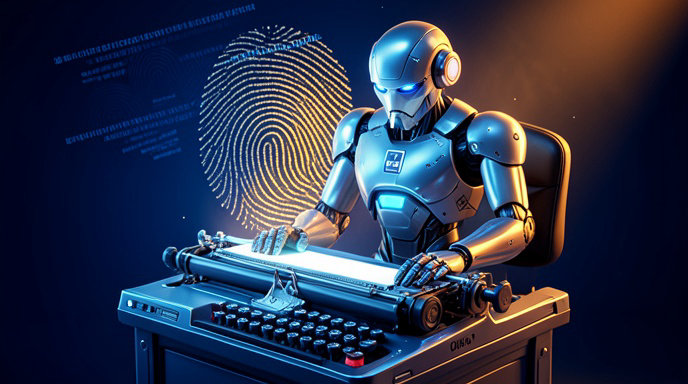
TL;DR
- New analysis finds Opus 5.5 overuses the word dependable 23 times more often than human writers, making it its single strongest linguistic fingerprint.
- Signature phrases like this matters, paired with polished parallel structure and upbeat moral framing, reliably reveal machine authorship.
- Experts say spotting Opus 5.5 style instantly comes down to vocabulary skew, rhythm, and excessive helpfulness — not robotic errors.
The Word That Gives It All Away
If you have read anything generated by Opus 5.5 and felt something was slightly too polished, you are not imagining it. Researchers and AI stylometrists digging into large samples of outputs have found that Opus 5.5 has a favorite word, and it cannot stop using it: dependable.
In human writing, dependable shows up rarely and in specific contexts — a dependable truck, a dependable friend. In Opus 5.5 writing, it appears everywhere: dependable workflows, dependable answers, dependable partners, dependable results. According to frequency comparisons circulating this week, the model uses it 23 times more often than humans do in comparable explanatory and business writing.
It is not a bug. It is a preference baked in by training and alignment. Opus models are tuned to be trustworthy, helpful, and enterprise-ready, and that tuning leaks directly into word choice. Dependable is safe, positive, corporate-friendly, and vague enough to fit anywhere — the perfect AI adjective.
Why This Matters Is the New Tell
The second biggest giveaway is phrasing, not just vocabulary. Opus 5.5 loves explicit significance framing, especially variations of this matters, this is important because, and here is why it matters.
Human writers usually assume the reader gets why something matters. Opus 5.5 does not take that chance. It announces relevance, summarizes the takeaway, and then summarizes the summary.
Look for sentences like: This matters because teams need clarity, not just speed. Or: Why this matters for leaders going into 2026. That earnest explainer energy — helpful, a little paternal, always closing the loop — is classic Opus 5.5.
Other high-frequency phrases in the same family include in practice, at its core, at scale, and designed to. Individually they sound normal. Together in one paragraph, they are a flashing neon sign.
Polished to a Fault
Opus 5.5 does not write badly. That is exactly what makes it identifiable. Human drafts are messy: uneven sentence lengths, abrupt transitions, slang, fragments, strong opinions stated without qualification.
Opus 5.5 writes in smooth, balanced cadence. Three-part lists. Parallel bullet points. Thoughtful caveats. A conclusion that gently restates the introduction without adding anything new.
Linguists call this low-burstiness, high-coherence style. Every paragraph is roughly the same length. Every argument gets a counterpoint. Every bold claim gets softened with nuanced, context-dependent, or generally speaking. It reads like a consultant who slept eight hours and drank exactly one green tea.
The analysis also highlights Opus 5.5's allergy to negativity. Where a human critic might write this product is a mess, Opus 5.5 writes this product faces meaningful opportunities for improvement. Where a human says I do not know, Opus 5.5 says it is worth exploring several dependable approaches. That relentless constructive tone is a fingerprint in itself.
How to Spot Opus 5.5 Style Instantly
You do not need a detector tool to catch it. Once you know the pattern, you can spot it in seconds.
First, scan for vocabulary skew. Count how many times you see dependable, robust, thoughtful, nuanced, and facilitate. Humans use them sparingly. Opus 5.5 clusters them.
Second, check the structure. Does the piece open with a broad truth, deliver three neat insights, and end with Looking ahead? Does every section transition perfectly? That is machine architecture, not human drafting.
Third, listen for the moral. Opus 5.5 almost always adds a values coda about responsibility, transparency, or empowering teams. Even a technical explainer will close with an uplifting note about building a more dependable future. Humans rarely moralize a how-to guide.
No single tell proves AI authorship, but three or four together are highly predictive.
Why These Tells Persist
The irony is that Anthropic could easily filter out dependable or ban this matters tomorrow. The reason these tells persist is that they are not accidents — they reflect what the model is optimized to be.
Opus 5.5 is built for enterprise adoption, safety, and helpfulness. That means favoring trustworthy-sounding language, over-explaining intent, and avoiding abrasive or ambiguous phrasing. Remove all of that, and you would get a less helpful, less brand-safe assistant.
In other words, Opus 5.5 sounds like Opus 5.5 because it is trying so hard to sound dependable. And until that incentive changes, the easiest way to detect it will remain the simplest: if every sentence feels a little too helpful, a little too balanced, and a little too sure that this matters — it probably was not written by a human.

Get All The Latest Updates Delivered Straight To Your Inbox For Free!