
Oura Sues Ultrahuman Again Over Ring Pro Patent Infringement Threatening US Comeback
TL;DR
- Oura has filed a fresh U.S. lawsuit accusing Ultrahuman's upcoming Ring Pro of infringing two core Oura patents covering smart ring sensors and manufacturing methods.
- The filing escalates a years-long legal war that previously led to an ITC import ban and forced Ultrahuman to pull its Ring Air from the U.S. market.
- The case could block or delay Ultrahuman's planned U.S. comeback with the Ring Pro, which is positioned as a direct rival to the Oura Ring 4.
Oura Isn't Done With Ultrahuman
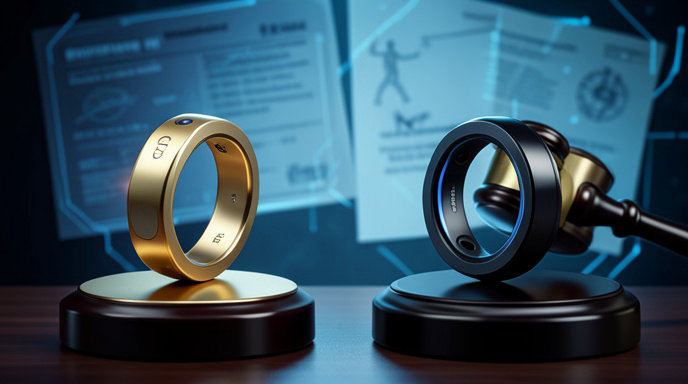
Oura is once again taking rival Ultrahuman to court. In a new complaint filed this week, the Finnish smart ring leader alleges that Ultrahuman's forthcoming Ring Pro infringes two of its U.S. patents, setting up another high-stakes showdown just as Ultrahuman prepares to re-enter the American market.
The lawsuit marks the second major round in what has become the wearable industry's bitterest patent feud. While the Ring Pro hasn't officially launched in the U.S. yet, Oura is asking the court to preemptively block its sale, arguing the device was built on Oura's protected technology.
What Oura Claims This Time
At the center of the new case are two U.S. patents related to how a smart ring gathers accurate health data from a finger and how the hardware itself is constructed.
Oura claims the Ultrahuman Ring Pro copies its innovations for PPG sensor placement, light-guiding structures, and battery-efficient form factor design — technology Oura says it spent nearly a decade refining across the Oura Ring Gen 3 and Oura Ring 4.
According to the filing, Oura reviewed Ultrahuman's public teasers, FCC filings, and technical breakdowns of the Ring Pro and concluded infringement is willful. The company is seeking damages, legal fees, and an injunction that would prevent Ultrahuman from importing, marketing, or selling the Ring Pro in the United States.
Ultrahuman has not yet filed a formal response, but the company has previously denied copying Oura and accused Oura of using litigation to stifle competition.
A Bitter History: From Ring Air Ban to Comeback Attempt
This isn't the first time the two companies have clashed. Oura first sued Ultrahuman in 2024, alleging the Ultrahuman Ring Air violated five Oura patents.
That case went to the U.S. International Trade Commission, which sided largely with Oura in late 2025. The result was a limited exclusion order and cease-and-desist order that effectively banned imports and sales of the Ring Air in the U.S., forcing Ultrahuman to withdraw from the market and focus on India, Europe, and the Middle East.
Ultrahuman appealed parts of that decision and publicly vowed to return with a redesigned, non-infringing product. That product is the Ring Pro — unveiled last month with a new sensor array, upgraded titanium shell, AFib detection, and a 10-day battery life claim.
Oura's new suit suggests it doesn't believe the redesign went far enough.
Why The Ring Pro Matters So Much
The timing is no coincidence. The U.S. smart ring market is exploding, with Samsung's Galaxy Ring, Amazfit Helio Ring, and Oura Ring 4 all fighting for finger space. Ultrahuman sees the Ring Pro as its ticket back in.
Priced to undercut Oura and with no subscription fee — a direct jab at Oura's $5.99 per month membership — the Ring Pro was expected to launch in the U.S. in November in time for the holiday season. Pre-orders have already opened in other regions to strong demand.
If Oura secures a preliminary injunction, that U.S. launch could be frozen for months or killed entirely, costing Ultrahuman momentum, retail partnerships, and crucial holiday sales.
What Happens Next
Legal experts say to expect a long fight. Ultrahuman will likely challenge the validity of the two patents at the Patent Trial and Appeal Board while arguing the Ring Pro uses a fundamentally different sensing architecture.
Oura, which was valued at over $5 billion after its latest funding round and is expanding into AI health coaching and glucose integrations, has shown it is willing to spend heavily on IP defense. The company holds over 100 granted U.S. patents related to wearables.
For now, Ultrahuman's U.S. comeback is in limbo. Retailers are watching closely, and consumers eyeing the Ring Pro as an Oura alternative may have to wait to see if it ever legally makes it to American fingers.

Get All The Latest Updates Delivered Straight To Your Inbox For Free!