
Tressfecta Plait Pilot Aims to Revolutionize Hair Braiding for Stylists
TL;DR
- Tressfecta is developing tech-driven tools for textured hair care, launching with Plait Pilot to automate prep work for braiding.
- Plait Pilot is designed to quickly and evenly separate synthetic braiding hair from bulk packs, cutting down manual pre-parting time.
- The innovation targets professional braiders and salons looking to boost efficiency, reduce hand fatigue, and serve more clients per day.
The Braiding Bottleneck No One Talks About
For millions who wear box braids, knotless braids, twists, and locs, the finished style looks effortless. Behind the chair, it is anything but. One of the most tedious, time-consuming parts of the process happens before a single braid is even started: pulling, stretching, and separating kanekalon or synthetic hair from dense factory packs.
Professional braiders can spend 30 minutes to over an hour just prepping and pre-parting hair, feathering ends, and ensuring even pieces for consistent braid size. It's repetitive strain on fingers, wrists, and shoulders — and it eats into valuable appointment time. Tressfecta, a beauty-tech startup focused on textured hair, says it has a solution.
Meet Tressfecta and Plait Pilot
Tressfecta is building innovative products specifically for textured hair, a category long underserved by beauty technology. Rather than starting with another styling product or app, the company is tackling workflow and ergonomics first.
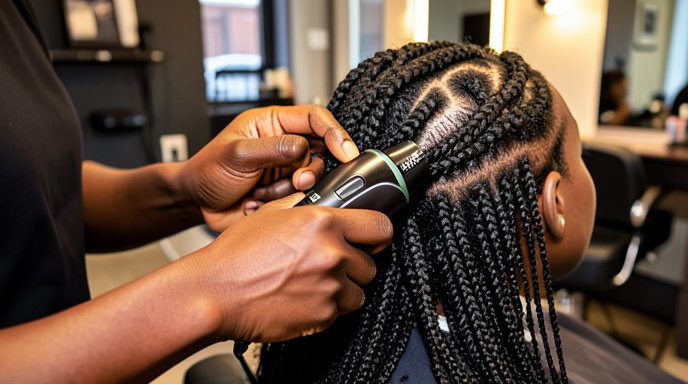
Its debut product, Plait Pilot, is a purpose-built tool to simplify hair braiding by streamlining the separation of hair from packs. The concept is simple but powerful: feed in sections of bulk braiding hair, and the device helps to detangle, stretch, and divide it into ready-to-braid pieces with speed and uniformity.
While traditional hot combs, hair racks, and manual feathering rely entirely on hand labor, Plait Pilot is positioned as a salon-grade assistant that standardizes prep.
How It Streamlines Separating Hair From Packs
Early descriptions of Plait Pilot highlight three core benefits for the prep stage:
1. Speed: What normally takes dozens of repetitive pulls can be done in a fraction of the time, helping braiders move from consultation to braiding faster.
2. Consistency: Evenly separated pieces mean more uniform braid size, cleaner parts, and a more polished final look — critical for knotless and boho styles where blending matters.
3. Less Breakage and Waste: Rough manual separation can cause tangling, frizz, and wasted hair. A controlled separation process helps preserve the texture and length of the synthetic fibers.
For braiders who pre-part entire packs before a client arrives, this could turn an hour of late-night prep into a quick in-salon step.
What It Means for Professional Braiders
For independent braiders and busy braiding salons, time literally is money. Braiding appointments already run three to eight hours depending on length, size, and style. Any reduction in prep time has a direct impact on daily bookings, pricing, and physical burnout.
Plait Pilot aims to reduce hand and wrist fatigue from constant pulling and feathering, shorten overall appointment times without rushing the creative work, improve salon throughput, potentially allowing one extra client per day, and elevate professionalism with consistent, salon-ready prep.
In an industry where many braiders suffer from carpal tunnel symptoms, back pain, and burnout, tools that reduce repetitive strain could be career-extending.
A Bigger Play for Textured Hair Innovation
Tressfecta's focus on textured hair places it in a growing wave of Black-founded beauty-tech startups addressing gaps left by mainstream beauty giants. From automated braid aids to better tools for 4A-4C hair maintenance, investors and consumers are paying increasing attention to practical innovation over generic solutions.
Starting with Plait Pilot makes strategic sense: solve a universal pain point for professionals first, build trust in salons, then expand into consumer-friendly products for at-home braiders and DIY stylists.
If successful, Tressfecta could do for braiding what the automatic clipper did for barbering — not replace the skill of the stylist, but remove the most draining part of the job so talent shines through.
What to Watch Next
Key questions remain around pricing, availability, compatibility with different hair brands and textures like pre-stretched, water wave, and human blend hair, and real-world durability in high-volume shops.
But the message is clear: braiding is skilled, technical labor, and it deserves purpose-built technology. With Plait Pilot, Tressfecta is betting that streamlining the humble step of separating hair from packs can revolutionize salon efficiency — one braid at a time.

Get All The Latest Updates Delivered Straight To Your Inbox For Free!