
Veritas Anti-Counterfeit Chip Expands to Fight Superfakes in Luxury Goods
TL;DR
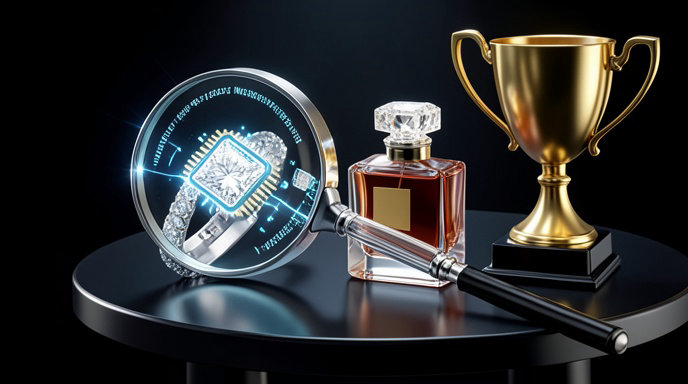
- Veritas is expanding its microscopic authentication chip from wine and spirits closures into jewelry, trophies, and fragrance bottles to combat increasingly sophisticated superfakes.
- The chip uses secure NFC-based verification paired with a smartphone tap, giving brands and consumers instant proof of authenticity without visible packaging changes.
- The move signals a broader shift in luxury protection, as counterfeiters leverage AI and high-precision manufacturing to flood secondary markets with near-perfect fakes.
The Age of the Superfake
Counterfeits are no longer easy to spot. What used to be cheap knockoffs with misspelled logos has evolved into superfakes - nearly identical replicas built with 3D scanning, precision molding, and AI-assisted design. From $20,000 watches to limited-edition perfumes, even experts and authorized retailers are struggling to tell real from fake.
For luxury brands, the stakes are enormous. Counterfeiting costs the global luxury industry tens of billions annually, erodes consumer trust, and floods resale platforms with convincing duplicates. Traditional defenses like holograms, QR codes, and serial numbers are routinely copied within weeks.
How the Veritas Chip Works
Veritas developed its technology to solve a problem hiding in plain sight: authentication needs to be invisible, unclonable, and instant.
The company's solution is a tiny, tamper-resistant chip that can be embedded directly into a product or its packaging - under a bottle cap, inside a jewelry tag, beneath a trophy base, or within a perfume stopper. Each chip carries a unique, cryptographically secured identity that cannot be duplicated or reprogrammed.
Verification is designed for everyday use. A consumer, retailer, or customs inspector simply taps the item with an NFC-enabled smartphone. Within seconds, an app or web interface confirms authenticity, displays product provenance, and flags suspicious duplicates. If the chip is removed or tampered with, it deactivates, preventing counterfeiters from harvesting genuine chips for fake goods.
Unlike visible QR codes that can be photocopied, the Veritas chip relies on secure hardware and encrypted communication, making mass cloning economically and technically impractical.
From Wine Cellars to Jewelry Boxes
Veritas originally made its name protecting fine wine and premium spirits, where bottle refilling and label fraud are rampant. Its chips embedded in closures helped chateaus and distilleries track bottles from bottling line to auction house.
Now the startup is expanding that same platform to new luxury categories facing their own superfake crises.
In jewelry, where tiny hallmarks are easily forged, the chip can be integrated into authenticity cards, cases, or discreet tags linked to certificates of origin, diamonds, and materials sourcing.
In trophies and collectibles, where provenance determines value, organizers and leagues can use Veritas to certify championship trophies, limited awards, and memorabilia before they hit the resale market.
In fragrance, one of the most counterfeited categories in beauty, the chip can be hidden in bottle caps or bases to help shoppers verify a $300 perfume is genuine before spraying a potentially unsafe fake.
Why Counterfeiters Are Harder Than Ever to Stop
Experts say three forces have supercharged counterfeiting in 2025 and 2026. First, factory-grade manufacturing is now accessible to criminal networks, allowing near-perfect copies of glass, metal hardware, and engraving. Second, AI-generated packaging and e-commerce listings make fakes look legitimate online. Third, globalized resale and social commerce let superfakes move fast across borders with little inspection.
That combination has rendered visual inspection almost obsolete. Brands increasingly acknowledge that only object-level digital identity - a secure link between the physical item and its digital record - can keep up.
What This Means for Luxury Brands
For brands, Veritas-style authentication offers more than anti-fraud. Each tap creates data on where, when, and how products are verified, giving insight into gray-market diversion, regional demand, and post-sale engagement.
It also opens new consumer experiences. A verified tap can unlock repair services, refill programs, resale certificates, loyalty rewards, and detailed storytelling about craftsmanship and sustainability - turning authentication from a defensive cost into a relationship tool.
Crucially, integration requires no redesign of iconic packaging. The chips are designed to fit existing production lines, a key factor for heritage houses reluctant to alter bottles, clasps, or cases.
What This Means for Consumers
For shoppers, the promise is simple: confidence at the point of purchase and resale. A secondhand buyer can verify a necklace, trophy, or rare perfume in-store or at home without specialized equipment. Gift buyers and collectors gain portable proof of authenticity that travels with the item for its lifetime.
As superfakes continue to improve, analysts expect invisible authentication to become standard in luxury, much like chip cards became standard in banking. Veritas is betting that a quick tap will soon feel as natural as checking a price tag.
The Road Ahead
Veritas faces competition from blockchain certificates, spectroscopic inks, and other NFC providers, and widespread adoption will depend on cost, scalability, and brand partnerships. Still, its expansion beyond wine into jewelry, trophies, and fragrance marks a pivotal moment.
The superfake era has forced luxury to rethink trust. If Veritas succeeds, authenticity won't be judged by logo or stitching anymore, but by a silent signal only a genuine chip can send.

Get All The Latest Updates Delivered Straight To Your Inbox For Free!