
Grubhub FTC Settlement Checks Are Finally Being Mailed to Diners and Drivers
TL;DR
- After more than a year of waiting, the FTC has finally begun mailing $23.8 million in refund checks to Grubhub customers and drivers as part of a settlement over deceptive fees, listings, and pay promises.
- Eligible recipients include diners who paid hidden fees or lost account credits and drivers who were misled about potential earnings — most do not need to file a new claim to get paid.
- The payout marks one of the largest federal crackdowns on a food delivery platform and is expected to force greater transparency on fees and earnings across the entire industry.
A Check Is Finally Coming
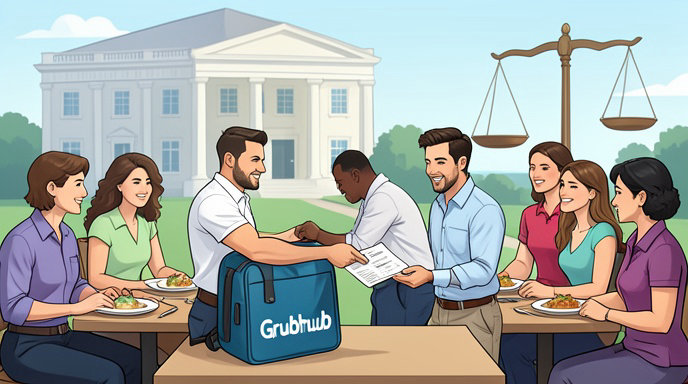
For millions of Grubhub users and delivery drivers who felt shortchanged, a long-promised payday is finally arriving. The Federal Trade Commission confirmed this week that it has started distributing the $23.8 million Grubhub settlement fund, with physical checks and PayPal payments now heading to eligible consumers and drivers nationwide.
The distribution comes more than 18 months after the agency first announced its landmark case against the food delivery giant. In December 2024, the FTC and Illinois Attorney General alleged that Grubhub engaged in years of deceptive business practices that harmed both sides of its marketplace — the people ordering food and the people delivering it.
Grubhub, which did not admit wrongdoing as part of the settlement, agreed to pay $25 million in total, with $23.8 million earmarked specifically for consumer refunds and driver compensation. The company also agreed to overhaul how it discloses fees, lists restaurants, and advertises driver pay.
Why Grubhub Had to Pay
The FTC's complaint centered on three core allegations that regulators said were systemic, not isolated mistakes.
First, the agency accused Grubhub of hiding the true cost of delivery. Customers were allegedly hit with hidden service and delivery fees at checkout, and saw advertised delivery prices that did not reflect what they actually paid. The FTC also said Grubhub blocked customers from accessing account balances and deceptively advertised free delivery promotions that came with undisclosed strings attached.
Second, Grubhub was accused of listing restaurants on its platform without their consent, creating so-called shadow listings. Diners would place orders thinking they were ordering directly through a restaurant, only for the order to be inflated, delayed, or canceled — damaging both the customer experience and the restaurant's reputation.
Third, the complaint focused on Grubhub's treatment of its drivers. The FTC alleged the company lured drivers with inflated earnings claims, advertising hourly pay rates that most drivers could not realistically achieve after accounting for expenses, wait times, and tip variability.
Who Is Eligible for a Payment
Not every past Grubhub user will get a check. The FTC has defined two main eligible groups for this distribution:
For Diners: You are likely eligible if you paid hidden or misleading fees between 2018 and 2024, had an unused Grubhub+ credit or account balance that was blocked or expired unfairly, or placed an order from a restaurant that was listed without its permission and experienced an issue with that order.
For Drivers: You may be eligible if you worked as a Grubhub delivery driver and were shown deceptive earnings advertisements or promotions about your potential hourly pay during the same period.
The FTC used Grubhub's internal order, account, and driver data to identify most eligible recipients automatically. That means if you were affected, you should have already been identified by the settlement administrator, JND Legal Administration, which is handling the distribution on behalf of the FTC.
How the Payout Process Works and What to Watch For
The checks now being mailed represent the first wave of the distribution, and the process is largely automatic for those already identified.
No New Claim Needed for Most: If the FTC had your contact information on file from Grubhub's records, you do not need to take any action. Checks are being mailed to your last known address, and PayPal payments are being sent to the email associated with your Grubhub account. The claim filing window for those who believed they were eligible but were not automatically identified closed earlier this spring.
Check Your Mail and Email: Payments are being sent in batches throughout August 2026. Mailed checks will come from JND Legal Administration and will note "Grubhub FTC Settlement" in the memo line. PayPal payments will appear from the settlement administrator's account. The FTC warns that checks must be cashed within 90 days of the issue date, and PayPal payments must be accepted within 30 days or they will expire.
Beware of Scams: The FTC will never ask you to pay a fee, provide your bank account password, or pay for shipping to receive your settlement check. Anyone who contacts you claiming you need to pay to unlock your Grubhub refund is a scammer. If you have questions about your eligibility or payment status, you can contact the official settlement hotline or visit the FTC's dedicated Grubhub refund page.
Payment amounts vary widely based on how much you were harmed. While the FTC has not published a flat average, reports from recipients so far show payments ranging from under $30 for customers with a single affected order to several hundred dollars for frequent users and drivers who can document lost earnings.
What This Settlement Means for the Delivery Industry
The $23.8 million payout is significant not just for the checks themselves, but for the precedent it sets. It is one of the largest federal enforcement actions ever taken against a major food delivery app for consumer protection violations.
As part of the settlement, Grubhub was required to make lasting business changes that go beyond the refund. The company must now clearly disclose the full cost of delivery before checkout, including all fees and markups, obtain affirmative consent before listing a restaurant, and provide clear, truthful disclosures about how much drivers can actually expect to earn.
For competitors like DoorDash and Uber Eats, the message is clear. Regulators are closely scrutinizing so-called junk fees, dark patterns at checkout, and misleading gig economy pay claims. The Grubhub case is already being cited by consumer advocates as a blueprint for holding delivery platforms accountable for transparency.
For diners and drivers, the arrival of these checks closes a long chapter of complaints that often went unanswered by customer service. While a single check won't undo years of frustration, it signals that federal regulators are willing to step in when the convenience of an app comes at a hidden cost.

Get All The Latest Updates Delivered Straight To Your Inbox For Free!