
Sony Music and Warner Sue Anthropic Over Brazen AI Piracy and Copyright Theft
TL;DR
- Sony Music and Warner Music Group have jointly sued Anthropic, alleging the AI company illegally pirated and used vast catalogs of copyrighted music, lyrics, and sound recordings to train its Claude models.
- Unlike earlier AI copyright cases focused on fair use and model outputs, this lawsuit centers on allegations of direct, large-scale piracy of protected works to build training datasets.
- The outcome could set a major legal precedent for AI training, potentially forcing AI developers to license music catalogs and fundamentally reshaping how generative AI models are built.
A Legal Battle With High Stakes for AI and Music
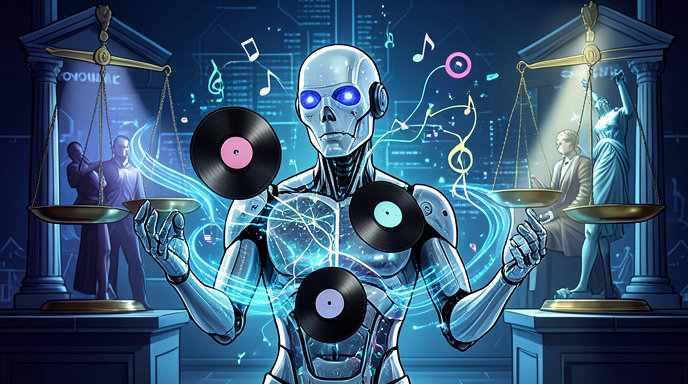
Two of the world's largest music companies are taking on one of the most valuable AI startups. Sony Music Entertainment and Warner Music Group have filed a sweeping federal lawsuit against Anthropic, the maker of the Claude chatbot, accusing the company of orchestrating a massive and deliberate campaign of copyright infringement.
The complaint, filed this week, marks one of the most aggressive legal challenges yet from the music industry against a generative AI developer and signals a significant escalation in the ongoing fight over how AI models are trained.
The Core Allegations: A Brazen Campaign of Piracy
At the heart of the lawsuit is not just what Anthropic's models can generate, but how they were allegedly built in the first place. Sony and Warner accuse Anthropic of engaging in the wholesale copying and ingestion of copyrighted sound recordings, musical compositions, and lyrics without permission, payment, or licensing.
According to the complaint, Anthropic bypassed legitimate licensing channels and instead relied on pirated datasets and shadow libraries containing millions of copyrighted works. The labels allege Anthropic scraped lyrics sites, torrent trackers, and unauthorized archives of recorded music to feed Claude's training pipeline, describing the conduct as willful and systematic piracy on an industrial scale.
The suit further claims that Claude is capable of reproducing near-verbatim lyrics and mimicking the distinctive style of famous artists when prompted, which the labels argue is direct evidence that their protected works were memorized during training. The companies are seeking injunctive relief to stop further infringement as well as substantial statutory damages for each work allegedly infringed.
How This Case Differs From Earlier AI Copyright Fights
This is not the first time Anthropic has faced copyright scrutiny. The company was previously sued by a group of music publishers including Universal Music Group over Claude's reproduction of song lyrics, and has been embroiled in litigation with authors and book publishers over training data.
However, legal experts say the Sony and Warner complaint is notably broader and more direct. Earlier cases against AI companies, including those involving OpenAI, Meta, and Stability AI, have largely hinged on the complex and untested question of whether training on copyrighted material constitutes fair use.
This new lawsuit reframes the debate. Instead of arguing primarily about transformative use, Sony and Warner are alleging straightforward theft — that Anthropic knowingly acquired and used pirated copies of their catalogs. By focusing on the alleged method of acquisition rather than just the nature of AI training, the labels are aiming to sidestep the fair use defense entirely. If a court finds that training datasets were built from pirated sources, fair use may not apply at all.
Anthropic's Response and Defense
Anthropic has not yet filed a formal response to the new complaint, but the company has previously defended its training practices as consistent with longstanding fair use principles that allow for the analysis of existing works to create new, transformative technology.
In prior litigation, Anthropic has argued that its models do not reproduce copyrighted material in the ordinary course of use and that it has implemented guardrails to prevent the regurgitation of lyrics and other protected text. The company has also maintained that training on lawfully accessed data is essential for building capable and competitive AI systems.
The company is expected to argue that any reproduction of lyrics is rare, the result of adversarial prompting, and not representative of intended use.
What This Means for the Future of AI Training
The stakes of this lawsuit extend far beyond Anthropic and the two labels involved. A victory for Sony and Warner could fundamentally alter the economics and legal framework of generative AI development.
If the court sides with the music giants, AI companies could be forced to negotiate large-scale licensing deals with rights holders before training future models — a model similar to how streaming services license music. This would create a new, expensive cost layer for AI development and could give major rights holders significant leverage over the technology's future.
A ruling in favor of Anthropic, on the other hand, would reinforce the argument that AI training is protected under fair use, potentially emboldening AI developers and leaving creators with fewer legal tools to control how their work is used.
As courts begin to draw clearer lines between innovation and infringement, this case is poised to become a landmark test for whether the AI boom was built on piracy — and who gets to profit from the music that taught machines how to create.

Get All The Latest Updates Delivered Straight To Your Inbox For Free!