
Particle's Radar Makes 130,000 Podcasts Searchable for AI Agents
TL;DR
- Particle has launched Radar, a new podcast intelligence platform that transcribes and analyzes over 130,000 podcasts to turn spoken conversations into searchable, web-indexed data.
- Radar makes the podcast ecosystem accessible to both humans and AI agents through a searchable platform, plus a developer API and Model Context Protocol (MCP) integration.
- The launch aims to solve podcast discoverability and unlock new use cases for research, journalism, content discovery, and AI-powered applications that can now reason over spoken content at scale.
From Unsearchable Audio to Structured Data
Podcasts have become one of the internet's richest sources of information, with millions of hours of expert interviews, breaking news analysis, and niche deep-dives published every week. Yet for all its value, that content has remained largely invisible to search engines and AI. Until now, finding a specific insight buried in a two-hour conversation meant scrubbing through audio manually or hoping someone wrote about it.
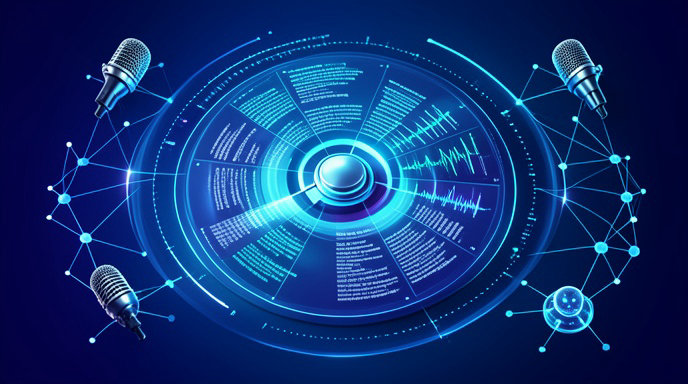
Particle, the AI-powered news platform founded by former Twitter engineers, is tackling that problem head-on with its newest product: Radar. Announced this week, Radar is a podcast intelligence platform that continuously transcribes and analyzes more than 130,000 podcasts, transforming ephemeral audio into structured, searchable, and linkable data.
Built for the Era of AI Agents
What sets Radar apart is not just scale, but how the data is made accessible. Every podcast episode is fully transcribed, enriched with speaker identification, topic extraction, and semantic analysis, and then indexed like a web page. That means a conversation about AI regulation, climate tech, or startup fundraising is no longer locked inside an audio file — it becomes part of the searchable web.
Particle says Radar is designed from the ground up for both human discovery and machine consumption. For listeners and researchers, it offers a powerful search experience to find exact moments, quotes, and discussions across the podcast universe. For developers and AI systems, Radar goes much further.
API and MCP Access Unlocks New Possibilities
Alongside the consumer-facing platform, Particle is releasing Radar via API and Model Context Protocol (MCP). The API allows developers to integrate podcast search and transcripts directly into their own apps, research tools, and AI workflows. The MCP server makes Radar natively accessible to AI agents and assistants like Claude and other MCP-compatible clients, allowing them to search, retrieve, and cite podcast content in real time.
This is a significant shift. Instead of AI models being limited to text-based web results, agents can now answer questions, conduct research, and provide context using the vast knowledge shared on podcasts. A journalist could ask an agent to find every time a CEO discussed a specific product, or an investor could track how sentiment around an industry has evolved across hundreds of shows.
Why This Matters for Discovery and Research
Podcast discovery has long been broken. Apple Podcasts and Spotify offer charts and recommendations, but they offer little help for finding specific information. Radar reframes podcasts not as shows to browse, but as a knowledge base to query.
The implications are broad. Researchers can perform longitudinal analysis on how topics trend over time. Newsrooms can surface primary-source quotes without listening to hours of audio. AI companies can ground their models in more diverse, conversational data. And creators themselves benefit as their spoken insights become discoverable via Google and other search engines, driving new listeners to precise moments in their episodes.
A New Layer for the Open Web
With Radar, Particle is positioning itself as more than a news reader — it's building infrastructure for the spoken web. By making over 130,000 podcasts searchable, citable, and programmatically accessible, the company is bridging the gap between audio content and the AI-driven future of information retrieval.
As AI agents become the primary way we interact with information, access to high-quality, conversational data will be critical. Radar ensures that the most valuable discussions happening in audio are no longer lost after the recording stops — they're indexed, understood, and ready for whatever comes next.

Get All The Latest Updates Delivered Straight To Your Inbox For Free!