
Zoox Robotaxi Rides Go Live in Las Vegas: Commercial Era Begins
TL;DR
- Zoox has officially launched its commercial robotaxi service in Las Vegas, charging passengers for rides in its purpose-built, bidirectional autonomous vehicles for the first time.
- The initial rollout is limited to a specific downtown Las Vegas service area, with pricing structured similarly to competitors (base fare plus per-mile and per-minute rates) and no human safety driver onboard.
- This launch marks a significant competitive escalation against Waymo and Cruise, as Zoox brings a vehicle designed from the ground up for autonomy—without a steering wheel—to the public ride-hailing market.
The Strip Gets a New Driver: Zoox Flips the Switch on Paid Rides
Las Vegas just became the latest proving ground for the autonomous vehicle industry, but this time, the robot behind the wheel isn't a retrofitted SUV. On [current week], Zoox, the Amazon-owned autonomous driving company, officially began charging passengers for rides in its commercial robotaxi service. This isn't just another pilot program; it’s the formal start of a paid, public ride-hailing operation in the heart of Sin City. The move signals that Zoox is done testing in the shadows and is ready to compete for real fares against established players like Waymo and Cruise.
From Secretive Garage to Public Streets: The Rollout Details
The launch has been years in the making. Zoox has been testing its oddly charming, carriage-like vehicles on the streets of Las Vegas since 2023, but those rides were primarily for employees and select invited guests. Now, the doors are open to the general public. Riders can hail a Zoox through the company’s dedicated mobile app, which is now live in the city’s app stores.
The initial service area is deliberately tight, focusing on a 2.4-mile corridor that connects the bustling Las Vegas Convention Center to the Orleans Hotel and Casino. This route is dense with pedestrian traffic, hotels, and stop-and-go traffic—a perfect stress test for the company’s sensor suite. Zoox has stated that it will expand this footprint incrementally, with plans to add more pick-up and drop-off zones in the resort corridor as it gathers more operational data and regulatory approvals.
The Pricing Play: How Much for a Driverless Ride?
Zoox isn't trying to undercut the market with loss-leading prices; instead, it’s matching the industry standard. The pricing structure will look familiar to anyone who has used Uber or Lyft: a base fare, plus a per-mile charge and a per-minute charge. While specific dynamic pricing can vary based on demand, early reports indicate that a typical ride on the initial route will land somewhere between $10 and $15, putting it directly in line with Waymo’s pricing in Phoenix and San Francisco.
There is no surge pricing algorithm visible yet, and Zoox has promised transparent fare estimates before you confirm your ride. The company is also launching with a zero-passenger promotional period, meaning the first few hundred riders may get a free or heavily discounted trip to generate buzz. But make no mistake: the meters are on, and this is now a revenue-generating operation.
The Secret Weapon: A Vehicle Unlike Any Other
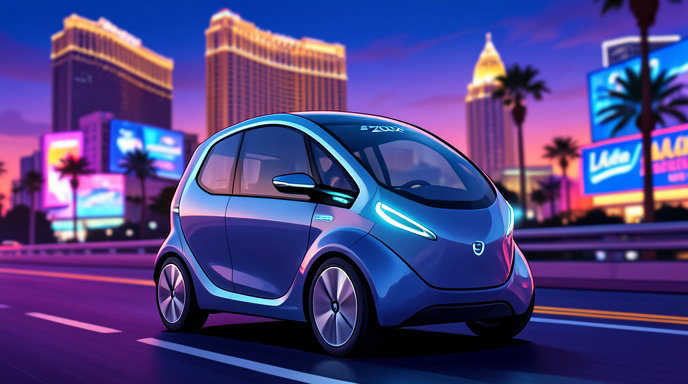
This is where Zoox differentiates itself from the pack. While Waymo uses modified Jaguar I-Paces and Cruise (before its recent setbacks) used modified Chevy Bolts, Zoox built its own vehicle from the ground up. The result is a symmetrical, pod-like shuttle with no steering wheel, no pedals, and four-wheel steering. The car can drive in either direction, meaning it can pull into a tight spot and reverse out without ever needing to turn around.
This design isn't just a party trick. It allows for a more spacious, face-to-face seating arrangement for passengers, and it gives the sensor suite (a combination of lidar, radar, and cameras) a 270-degree field of view with no blind spots from traditional A-pillars. In Las Vegas’ chaotic traffic, this bidirectional capability is a major operational advantage. It allows the vehicle to navigate narrow valet lanes and one-way casino driveways with the agility of a human driver, but with the reaction time of a machine.
The Competitive Landscape: Zoox vs. Waymo vs. Cruise
Zoox’s entry into the commercial market comes at a pivotal moment. Waymo is currently the undisputed leader, operating thousands of paid rides weekly across Phoenix, San Francisco, and Los Angeles. Cruise, meanwhile, has been in a defensive crouch after a series of safety incidents led to the suspension of its driverless permits in California.
Zoox is positioning itself as the "safer, purpose-built" alternative. By owning the entire vehicle stack—from the chassis to the software—Zoox argues it has eliminated the compromises that come with retrofitting human-designed cars. The Las Vegas launch is a direct challenge to Waymo’s dominance, proving that a different design philosophy can achieve commercial viability. It also throws a wrench into Cruise’s comeback narrative, as Zoox is now the second company (after Waymo) to operate a fully driverless, paid commercial service in a major US city without a safety driver.
What This Means for the Industry
For the broader autonomous ride-hailing sector, this is a validation of the business model. Las Vegas is a notoriously difficult environment—extreme heat, dense crowds, and aggressive driving patterns—yet Zoox is confident enough to charge money there. This signals that the technology has crossed a threshold from "demonstration" to "commodity."
It also intensifies the race for regulatory approval. As Zoox expands its footprint, it will pressure Nevada regulators to streamline permitting processes for other companies. For passengers, the biggest takeaway is simple: the driverless future is no longer a test. It’s a paid service, available now, and it’s silently shuttling passengers down the Las Vegas Strip without a single human hand on the wheel.

Get All The Latest Updates Delivered Straight To Your Inbox For Free!