
Meta Launches Muse AI Agent in Biggest Bet Yet on Consumer Trust
TL;DR
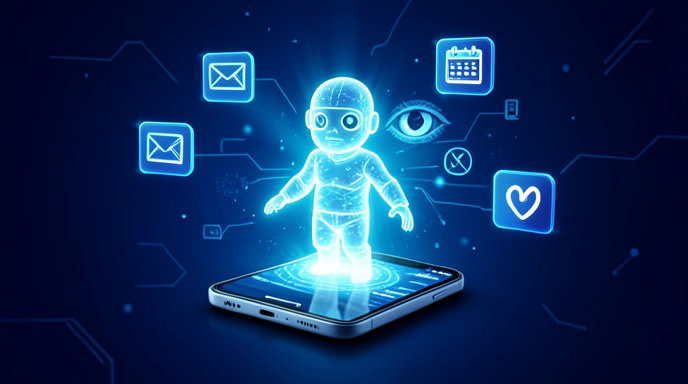
- Meta has unveiled Muse, a proactive personal AI agent that connects to Gmail, Outlook, calendars, payments and health apps to complete tasks on users' behalf.
- The launch is Meta's biggest consumer AI bet yet, shifting Meta AI from a chatbot to an always-on assistant built into Facebook, Instagram, WhatsApp and Ray-Ban Meta glasses.
- Privacy advocates warn deep data access could limit adoption, making user trust — and Meta's new on-device processing and permission controls — the deciding factor.
How Muse Works
Meta doesn't want you to chat with AI anymore. It wants AI to act for you.
That is the pitch behind Muse, the company's new personal superintelligence agent announced this month. Unlike the Meta AI chatbot that answers questions, Muse is designed to get things done across your digital life — rescheduling a dentist appointment around your work calendar, summarizing a flooded inbox into three urgent actions, ordering groceries when your fridge list runs low, or nudging you to leave early for the airport because your flight moved.
To do that, Muse asks for something no Meta product has asked for before: deep, persistent access to your emails, calendars, contacts, messages, payment history, fitness and health data, and connected apps. Once permission is granted, Muse builds what Meta calls a personal context model — a live understanding of your routines, relationships, preferences and obligations.
Meta says Muse lives everywhere you already are. It is rolling out inside Facebook, Instagram, Messenger and WhatsApp as a persistent assistant, on the web as muse.meta.com, and as a hands-free voice agent on Ray-Ban Meta and Oakley Meta smart glasses. Tell it "handle my morning," and it can check traffic, brief you on overnight emails, pay a bill, and book a workout class in one chain of actions.
A Proactive Assistant, Not Just a Chatbot
The key shift is from reactive to proactive. Previous assistants waited for prompts. Muse is built to anticipate, suggest, and execute with minimal supervision.
Meta demonstrated Muse rebooking canceled flights by scanning email confirmations, comparing calendar availability, and paying fare differences via Meta Pay — pausing only for fingerprint or face confirmation for purchases over a user-set threshold. Another demo showed Muse negotiating scheduling conflicts between work and family calendars, drafting apologies, and proposing new times.
Under the hood, Muse runs on Meta's latest Llama-based agent models combined with a new orchestration layer that can browse the web, call third-party APIs, and operate apps on your behalf. Developers will get a Muse SDK later this year to build "actions" for shopping, travel, productivity and wellness, a clear play to rival OpenAI's Operator, Google's Project Astra and Apple's Apple Intelligence.
Why This Is Meta's Biggest Consumer Bet Yet
For CEO Mark Zuckerberg, Muse is the culmination of a multi-year pivot. After spending billions on the metaverse and then on open-source Llama models, Meta now needs a consumer hit that ties its empire together.
Muse is that glue. It gives people a reason to stay inside Meta's apps daily, supercharges its smart glasses vision, and opens a new commerce funnel where Meta takes a cut of agent-driven bookings and purchases. Analysts say if Muse succeeds, it transforms Meta from an advertising company that shows you things into an agentic company that does things for you.
The timing is deliberate. With Google embedding Gemini across Android and Gmail, OpenAI pushing ChatGPT Agent, and Apple slowly rolling out personalized Siri, the race for the default personal assistant is wide open. Meta is betting its 3.4 billion daily users and expertise in personalization give it an edge — if users will trust it.
The Privacy Problem
That "if" is enormous.
No company asking for inbox, calendar, payment and health access carries more baggage than Meta, whose history includes Cambridge Analytica, multiple FTC settlements, and years of scrutiny over data-driven advertising.
Early reaction reflects that tension. In beta tests in the U.S., users praised Muse's usefulness but balked at connecting work email and bank accounts. Privacy groups and some lawmakers have already questioned how long personal context data is stored, whether it will be used for ad targeting, and how Muse handles sensitive health information.
Meta says the answer is architecture, not promises. The company says Muse runs much of its personalization on-device where possible, uses encrypted private cloud processing for complex tasks, offers granular per-source permissions that can be revoked anytime, and will not use the contents of emails, health data or payment transactions to target ads. A new Trust Dashboard shows exactly what Muse accessed, why, and lets users delete memories with one tap.
Whether that is enough remains to be seen. Meta is starting with an opt-in U.S. rollout and keeping the most sensitive features — like automatic payments and health coaching — off by default behind explicit consent screens.
What Trust Means for the Future of Personal AI
Muse is ultimately a test of a new idea: that usefulness can outweigh unease.
Every major AI lab has reached the same conclusion — truly helpful agents need deep context. But context requires intimacy, and intimacy requires trust. Who users pick as their agent may matter more than which model is smartest.
If Meta can convince mainstream users that Muse is transparent, controllable and genuinely time-saving, it could normalize a level of data-sharing that once seemed unthinkable and leapfrog rivals in consumer AI. If it cannot, Muse risks becoming another powerful demo that people admire but refuse to connect.
For now, Meta is asking users to make the biggest trade in consumer tech history: give me everything, and I'll give you back your time.

Get All The Latest Updates Delivered Straight To Your Inbox For Free!