
TikTok to Pay Alabama $100M in Child Safety Addiction Settlement
TL;DR
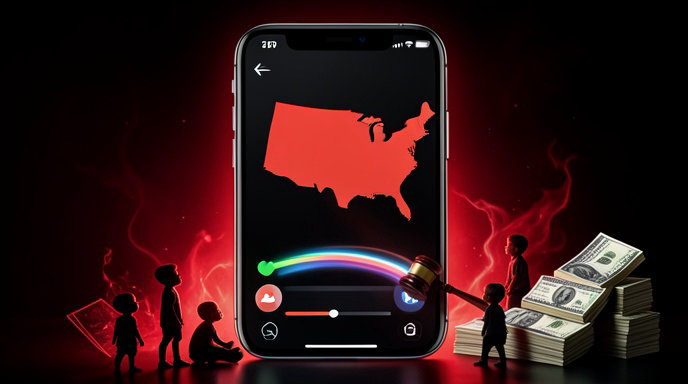
- TikTok has agreed to pay Alabama at least $100 million to settle claims it misled users about platform safety and designed addictive features targeting children and teens.
- The settlement requires TikTok to change how it handles youth safety, including new disclosures, limits on addictive design, and stronger parental controls and age-assurance tools.
- The deal is Alabama's largest Big Tech consumer protection settlement and signals a new wave of state-led crackdowns on social media addiction nationwide.
Alabama Takes On TikTok — And Wins Big
In a landmark victory for state regulators, TikTok has agreed to pay Alabama at least $100 million to resolve a sweeping lawsuit accusing the viral video giant of endangering children. Announced this week by Alabama Attorney General Steve Marshall, the settlement marks one of the largest single-state payouts TikTok has ever agreed to and puts fresh pressure on the social media industry over youth mental health.
The agreement ends a years-long legal battle that accused TikTok and its parent company ByteDance of violating the Alabama Deceptive Trade Practices Act. While TikTok admits no wrongdoing as part of the deal, the size of the payout and the reforms attached make it far more than a slap on the wrist.
The Allegations: Misleading Safety Claims and Addictive By Design
At the heart of Alabama's case were two major claims: that TikTok misled the public about safety, and that it intentionally built its app to hook young users.
State investigators argued TikTok marketed itself as family-friendly and safe for teens while internally knowing about serious risks, including excessive screen time, exposure to harmful content, anxiety, depression, and disrupted sleep. Court filings pointed to internal documents and whistleblower accounts alleging TikTok downplayed those harms in public statements and app store ratings.
Alabama also zeroed in on addictive design features. Prosecutors said TikTok's infinite scroll, autoplay, push notifications, beauty filters, and hyper-personalized For You feed were engineered to maximize time spent, especially among users aged 13 to 17. The state alleged TikTok used variable rewards, social validation loops, and late-night nudges that exploited developing brains, making it difficult for children to log off.
TikTok has long denied it designs its app to be addictive to kids, saying it offers screen-time tools and Family Pairing controls. Alabama officials said those tools were insufficient and poorly promoted compared to the power of the recommendation engine.
Inside the $100 Million Deal
Under the terms announced, TikTok will pay Alabama a minimum of $100 million, with payments expected to be made over the next several years. Officials said the money will go toward consumer protection enforcement, youth mental health programs, digital literacy education, and reimbursement of legal costs.
Beyond the cash, the settlement imposes significant business practice reforms in Alabama:
- TikTok must provide clearer disclosures about risks of compulsive use and the nature of its recommendation algorithm for minors.
- TikTok must limit or modify features known to drive compulsive use by children, including restrictions on late-night notifications to minors and autoplay settings.
- TikTok must strengthen age assurance and parental controls, making it harder for children under 13 to access the platform and easier for parents to set time limits and restrict content.
- TikTok must submit to compliance monitoring and regular reporting to the Attorney General's office to ensure the changes are implemented.
Sources close to the negotiations say the $100 million figure is a floor, with additional penalties possible if TikTok fails to meet the reform deadlines.
Why Alabama Matters in the National Fight
Alabama's win did not happen in a vacuum. It follows a surge of state-led action against TikTok, Meta, Snap, YouTube, and other platforms over child safety and mental health.
Dozens of states have filed similar suits alleging deceptive practices and addictive design, while Congress has stalled on federal kids' online safety legislation. In that vacuum, attorneys general have become the de facto tech regulators — and large settlements like Alabama's create a playbook for others.
Legal experts say the Alabama deal is notable for two reasons. First, the per-state dollar amount is unusually high, topping many previous social media settlements. Second, the focus on product design changes, not just fines, could force TikTok to rethink core engagement mechanics nationwide, since it is impractical to build a separate app just for Alabama.
What TikTok Says — and What's Next
TikTok said in a statement it was pleased to resolve the matter and remains deeply committed to youth safety. The company pointed to recent updates including 60-minute screen time limits by default for teens, enhanced Family Pairing, STEM-only feeds, and new meditation and sleep reminders.
But the company still faces major headwinds. It remains embroiled in litigation with other states, a federal Justice Department probe over children's privacy, and ongoing scrutiny over its Chinese ownership and a potential forced sale or ban in the U.S.
For Alabama, officials framed the settlement as both accountability and deterrence.
What This Means for Parents, Teens, and Big Tech
For parents and teens in Alabama, changes should start rolling out in the coming months, with new safety prompts, default limits, and parental dashboards. Officials urged families to review settings now and talk openly about healthy social media habits.
For Big Tech, the message is clear: addictive design is now a legal liability. With Alabama securing triple-digit millions, other states are likely to demand equal or larger payouts, and Meta and YouTube could be next.
If that happens, TikTok's $100 million check in Montgomery may be remembered not as an ending, but as the beginning of a much more expensive reckoning for Silicon Valley.

Get All The Latest Updates Delivered Straight To Your Inbox For Free!