
Bluesky Bets on Shopping and Fundraising Instead of Ads for Monetization
TL;DR
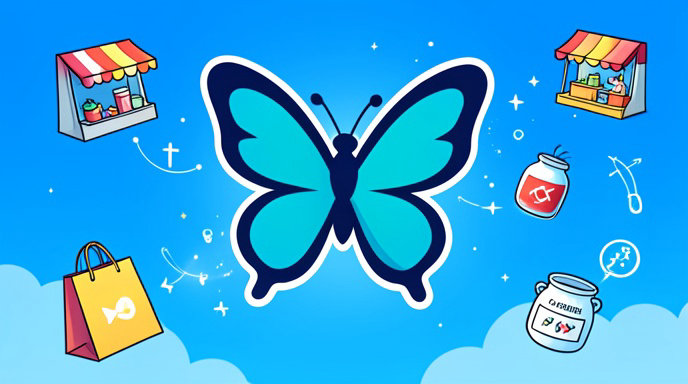
- Bluesky executives say the platform will avoid traditional advertising and instead focus on commerce-driven revenue through in-app shopping, creator payments, and fundraising tools.
- The vision includes native buy/sell features, paid content and tip-like support, plus nonprofit and campaign fundraising built directly into feeds.
- The strategy is a high-stakes bet that decentralized social media can stay independent by taking a cut of transactions rather than selling attention.
A New Playbook for Making Money Without Ads
Bluesky does not want to become another ad-choked feed. As the decentralized network pushes past 40 million users and looks for a sustainable business model, its leadership is laying out an alternative path: make it easy to buy things, support creators, and raise money without ever leaving the app.
In recent interviews, Bluesky executives have framed commerce, not advertising, as the future of the company's revenue. Instead of optimizing for impressions and targeting, the idea is to turn social interactions into economic ones - and take a small piece of that value to keep the lights on.
Why Bluesky Is Saying No to Traditional Ads
The anti-ad stance is both philosophical and practical. Bluesky was built on the AT Protocol as an open, user-controlled alternative to X and Meta's Threads, where users can pick their own algorithms, moderation, and feeds.
Executives argue that surveillance advertising would undermine that trust. Traditional ads require massive tracking infrastructure, alienate power users who fled X in the first place, and put Bluesky in direct competition with Meta and Google - a fight it cannot win.
Commerce offers a cleaner fit. If someone discovers an artist, a small brand, or a cause on Bluesky, why send them to Shopify, Patreon, GoFundMe, or Kickstarter to complete the transaction?
What Creator Commerce Could Actually Look Like
The core of the vision is native shopping and creator monetization. Early concepts discussed by the team include shoppable posts with in-line checkout, storefront-style profiles for independent sellers, and paid subscriptions or premium posts for creators.
Think Etsy meets Twitter: an illustrator could sell prints directly from a post, a musician could sell vinyl or concert pre-sales to followers, and a writer could offer paid subscriber-only threads. Bluesky would handle discovery and identity, while payment partners process the transaction and Bluesky takes a platform fee.
Tipping and micro-payments are also a major piece. Rather than relying solely on outside links to Ko-fi or Patreon, Bluesky wants one-tap support built into profiles and replies, lowering friction for the casual fan who will pay $2 but will not click through three pages to do it.
Fundraising Built Into the Feed
Perhaps the most distinctive pillar is fundraising. Bluesky has become a hub for activists, nonprofits, mutual-aid organizers, journalists, and even political campaigns. Executives see an opportunity to make fundraising native.
That would mean verified fundraiser posts with progress bars, donation buttons, and social proof built into reposts and custom feeds - similar to what TikTok and Instagram have tested, but with open standards so any compliant payment provider can plug in.
For decentralized social media, that matters. Fundraising is high-trust and high-urgency, and keeping it on-platform could reduce scams from fake link-in-bio pages while giving Bluesky a mission-aligned revenue stream from processing fees.
Why It Matters for Decentralized Social Media
If it works, Bluesky could solve the existential problem that killed earlier open networks: how do you pay for hosting, moderation, and development without a corporate owner or ad machine?
A transaction-based model aligns incentives. Bluesky only makes money when creators and sellers make money, not when users doomscroll longer. And because the AT Protocol is open, shops, tip jars, and fundraisers could theoretically work across different apps and servers, not just the flagship Bluesky app.
The risks are real. Commerce requires fraud prevention, buyer protection, tax compliance, and customer support - all expensive and complicated. Regulators are also watching in-app payments and political fundraising closely.
Still, the bet is clear. While X chases ads and subscriptions and Threads leans into Meta's ad empire, Bluesky is betting users would rather shop, tip, and donate than be the product. If it can nail the checkout experience, it may have found the first truly native business model for decentralized social.

Get All The Latest Updates Delivered Straight To Your Inbox For Free!