
Gudea AI Storm Tracker Stops Social Media Crises Before They Explode
TL;DR
- Gudea positions itself as a "storm tracker for the internet," using AI to scan global social media, news sites, and forums for early signals of misinformation, hate speech, and brand-damaging rumors.
- The platform alerts organizations when small posts show signs of snowballing, giving communications and trust-and-safety teams hours or days of lead time to respond before a full-blown crisis.
- As viral controversies and AI-generated fakes accelerate, experts say proactive tools like Gudea are becoming essential for brands, NGOs, and public agencies.
The Internet Has Weather — And Now It Has a Forecast
Every major social media crisis starts small. A single misleading TikTok, an out-of-context screenshot on X, an angry Reddit thread with twelve comments. Hours later, it's trending worldwide, advertisers are pulling out, and executives are drafting apologies.
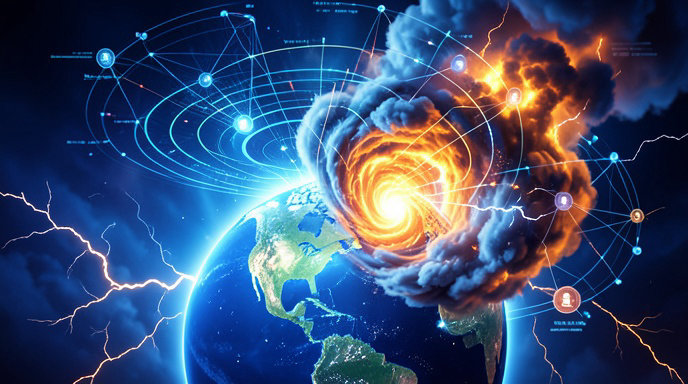
Gudea, a startup calling itself the storm tracker for the internet, wants to stop that cycle. The company has built an AI-powered early-warning system that continuously monitors global social media platforms and websites to spot misinformation, hate speech, and damaging rumors while they are still just clouds on the horizon.
Instead of traditional social listening, which often tells brands what already went viral, Gudea focuses on prediction: what is likely to explode next, why, and how fast.
How Gudea Spots a Viral Storm Brewing
Gudea's system ingests millions of public posts daily across major social networks, blogs, news comment sections, video platforms, and niche forums in multiple languages. Its AI models then cluster related conversations, analyze sentiment and velocity, and flag anomalies that look like the start of a coordinated campaign or organic outrage spiral.
For example, the platform can detect when the same false claim appears in three different languages within hours, when a hateful meme jumps from a fringe forum to mainstream Instagram, or when negative mentions of a company suddenly spike among high-influence accounts.
Customers receive a risk score, a timeline of how the narrative is spreading, and context on who is amplifying it — bots, activists, influencers, or confused customers. That allows teams to see whether they are dealing with a misunderstanding, a bad-faith attack, or an outright fabrication.
From Small Posts to Major Controversies
The core pitch is simple: prevent small posts from snowballing into major public controversies.
In practice, that means a food brand could learn on a Tuesday morning that a false video claiming contamination is gaining traction in private groups and regional Facebook pages, long before national media picks it up on Thursday. A nonprofit could be warned that its name is being dragged into a conspiracy theory on YouTube and Telegram. A city government could track hate speech targeting a community after a polarizing event.
Gudea says early detection changes the playbook. Rather than issuing a defensive statement after the damage is done, organizations can fact-check quietly, brief moderators, contact platforms, prepare spokespeople, or engage directly with the original posters.
Why Organizations Can't Afford to Wait Anymore
The timing is critical. The speed of viral outrage has accelerated dramatically as short-form video, algorithmic recommendations, and AI-generated images make it easier than ever to manufacture believable fakes.
Communications experts note that the window for response has shrunk from days to hours. A delay can cost millions in lost sales, stock drops, boycotts, or long-term reputational harm. For public institutions, unchecked rumors can even threaten public safety and erode trust in elections and emergency guidance.
AI storm-tracking tools fit into a broader shift from reactive crisis PR to always-on digital risk monitoring, alongside cybersecurity and brand safety systems.
Who Is Using Storm Tracking Technology
While Gudea has not disclosed a full client list, the company says its technology is designed for enterprise brands, PR and crisis agencies, NGOs, universities, and government bodies — essentially any organization with public exposure.
Large companies with global supply chains and consumer-facing products are seen as early adopters, since a rumor in one market can quickly jump borders. Political campaigns, sports leagues, and entertainment studios facing passionate fandoms and coordinated harassment are also prime users.
The model is typically offered as a subscription dashboard with real-time alerts via email, Slack, or SMS, plus analyst support for high-severity events.
The Bigger Picture for AI and Trust Online
Gudea is part of a growing wave of startups using AI not to create more content, but to make sense of the chaos — filtering signal from noise in an internet drowning in posts.
Challenges remain. Monitoring global speech at scale raises questions about privacy, free expression, and false positives. Gudea emphasizes it monitors only public content and focuses on narratives and trends rather than targeting individuals.
Still, as misinformation becomes industrialized, defenders are racing to industrialize detection. If the internet really does have weather, tools like Gudea are betting every major organization will soon want a daily forecast — before the next storm hits.

Get All The Latest Updates Delivered Straight To Your Inbox For Free!