
OpenAI Launches Visual Ads Alongside Image Generation Results in the U.S.
TL;DR
- OpenAI has begun showing visual, image-linked ads directly below image generation results in ChatGPT for U.S. users, marking its first major move into visual advertising.
- The U.S.-only rollout is positioned as a controlled test to refine relevance, measurement, and brand safety before any global expansion.
- The shift creates a new discovery channel for advertisers and creators, but raises fresh questions about user experience, disclosure, and creative ownership.
How the New Format Works
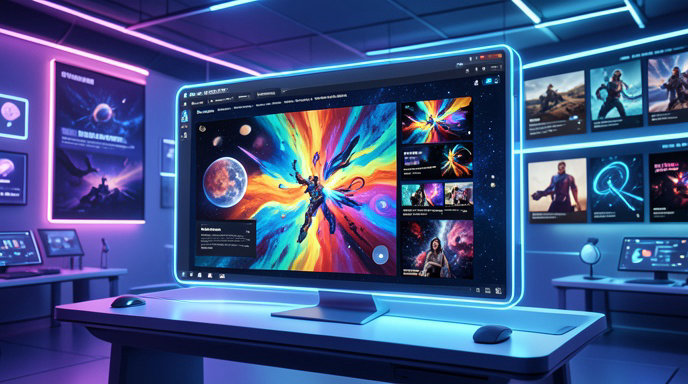
OpenAI's new ad unit appears after an image generation result, not before or over it. When a user in the U.S. generates an image in ChatGPT, a small set of visually rich, clearly labeled sponsored cards can appear underneath the output.
Each card pairs an image, brand name, and short call-to-action, such as Shop Now, Learn More, or Try It. Tapping a card opens the advertiser's site or product page in a new window, leaving the original chat and generated image intact. OpenAI says the ads are labeled as Sponsored to distinguish them from organic results.
Crucially, the ads are contextually matched to the prompt theme, not to the generated pixels themselves. For example, a request for cozy living room ideas might return an AI image followed by sponsored tiles for furniture retailers, paint brands, or home decor marketplaces. A travel-inspired image prompt could trigger airline, hotel, or luggage brand placements.
Early reports suggest the system is powered by a mix of contextual signals from the current conversation and broader relevance models, rather than by selling users' private chats or using image uploads for ad targeting. Advertisers are buying through OpenAI's emerging ads platform with performance metrics like impressions, clicks, and downstream conversions.
Why OpenAI Is Starting With the U.S. Only
OpenAI is framing the U.S. launch as a pilot, not a full-scale monetization push. Limiting the rollout allows the company to test load, latency, and user sentiment in a single, high-value ad market before dealing with international privacy rules, language localization, and regional advertiser demand.
The U.S. is also where OpenAI has its densest base of ChatGPT users, image generation volume, and advertiser interest. That makes it the ideal sandbox to prove that visual ads can perform without driving users away.
Industry analysts point to two other factors: regulatory simplicity and brand safety controls. By starting domestically, OpenAI can iterate on disclosure standards, opt-out controls, and category restrictions — such as limiting ads around sensitive, political, or youth-oriented prompts — under one legal framework. The company has signaled it will evaluate expansion based on feedback from this initial phase.
What It Means for Everyday Users
For most users, the core ChatGPT experience isn't changing — image generation remains available on existing Free, Plus, and Pro tiers, and OpenAI says it is not injecting ads into the generated images themselves.
What is changing is what comes after. Expect a more commercial feel to image sessions, especially for lifestyle categories like fashion, beauty, home design, food, and travel where advertiser demand is highest. Users can dismiss individual ads, provide feedback on relevance, and manage ad personalization in settings, though there is currently no paid ad-free toggle specific to this format in the U.S. test.
Privacy advocates will be watching closely. OpenAI maintains that chats are not sold to advertisers and that sponsored content is separate from organic answers, but the proximity of ads to AI creations is already sparking debate about how clearly users can tell inspiration from promotion.
A New Canvas for Creators and Brands
For creators, the launch cuts both ways. On one hand, designers, mood-board makers, and small businesses that use ChatGPT for ideation now get instant, shoppable links tied to their concepts — potentially shortening the path from idea to purchase. On the other, some artists worry about their style prompts surfacing adjacent commercial products without credit or compensation.
For advertisers, this is a genuinely new inventory type: intent-rich, visual-first, and positioned at a moment of active imagination. Instead of bidding on keywords or social feeds, brands can show up right when someone is visualizing a new outfit, kitchen remodel, or vacation. Early interest is reportedly strongest among e-commerce, DTC, travel, and entertainment brands eager to test creative that blends natively with AI-generated visuals.
OpenAI is also pitching measurement and creative tools that let brands see which prompt categories drive engagement and tailor their visual assets accordingly, without needing access to individual user data.
What to Watch Next
The big questions now are performance and expansion. Will users tolerate — or even click — ads placed next to AI art, and will those clicks convert better than traditional display or search ads?
OpenAI has not committed to a timeline for international rollout, nor has it detailed revenue sharing for creators whose workflows help drive ad impressions. Expect updates on opt-out options, pricing models, and whether similar sponsored units will appear alongside video generation or shopping features.
For now, the message is clear: image generation is no longer just a creative tool for ChatGPT — in the U.S., it's becoming a commercial surface too.

Get All The Latest Updates Delivered Straight To Your Inbox For Free!