
OpenAI vs. Apple: Legal Showdown Over ChatGPT Integration Fiasco
TL;DR
- OpenAI is reportedly considering legal action against Apple over how the ChatGPT integration on iPhone was implemented and marketed.
- The dispute adds to a broader tech industry clash over platform control, app visibility, and access to user data.
- The outcome could influence how future AI partnerships are structured across smartphones and operating systems.
The Fight Over ChatGPT on iPhone
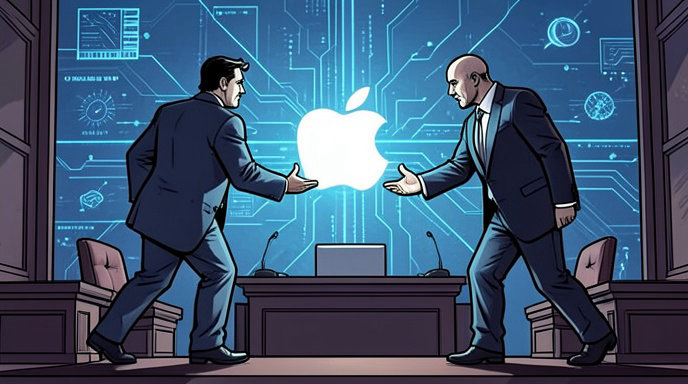
OpenAI and Apple are heading into an increasingly fraught public dispute over the way ChatGPT was integrated into Apple’s ecosystem, with reports suggesting OpenAI is weighing legal action. What began as a high-profile partnership to bring generative AI features to iPhone, iPad, and Mac now appears to be turning into a fight over expectations, control, and competitive access.
At the center of the tension is a basic but consequential question: did Apple’s integration of ChatGPT deliver the kind of subscriber growth and market reach OpenAI expected, or did it instead create a system that favored Apple’s platform goals more than OpenAI’s business interests?
A Partnership That Looks Less Cooperative Now
When Apple announced its AI deal with OpenAI, the arrangement was framed as a major win for both sides. Apple gained a fast route into the generative AI race, while OpenAI won access to one of the world’s largest consumer device ecosystems.
But the partnership has not been without controversy. Reports indicate OpenAI is unhappy that the integration did not produce the level of subscriber momentum it may have anticipated. That frustration is now colliding with a deeper concern: whether Apple shaped the rollout in a way that limited OpenAI’s ability to benefit fully from the exposure.
In practice, the issue is not just about one feature or one app. It is about the power a dominant platform has when it chooses which AI tools get privileged access to system-level features, default placement, and user attention.
Why OpenAI May Be Eyeing Legal Action
The latest reporting suggests OpenAI is examining legal options as the relationship with Apple weakens. That could mean a contract dispute, a competition complaint, or a broader challenge tied to how Apple structured the partnership.
There are several potential flashpoints:
- Whether Apple gave ChatGPT unfair prominence inside iOS and the App Store
- Whether OpenAI received the level of user access and engagement it expected
- Whether Apple’s control over distribution limited OpenAI’s ability to monetize the partnership
- Whether the arrangement created antitrust concerns by favoring one AI provider over others
Even if no lawsuit is filed immediately, the threat alone signals a serious deterioration in trust between two of the biggest names in tech.
The Bigger Antitrust Question
This dispute is unfolding against a backdrop of intense regulatory scrutiny over Big Tech partnerships. Apple already faces ongoing criticism over App Store control, default settings, and the degree to which it can favor its own services or selected partners.
If OpenAI were to pursue legal action, it would likely raise questions about whether Apple is using its platform power to shape the AI market in its own image. That could draw in long-standing antitrust themes:
- Preferential treatment for certain partners
- Barriers to rivals gaining equal access
- The power of default placement in consumer behavior
- The role of user data in training and improving AI systems
In other words, the case would not just be about ChatGPT. It would be about who gets to control the gateway to mainstream AI adoption.
What Apple Gains From the Deal
From Apple’s perspective, the ChatGPT integration was a strategic shortcut. Rather than build a flagship generative AI product entirely from scratch, Apple could offer consumers a polished, familiar AI experience while keeping much of its ecosystem tightly controlled.
That matters because Apple’s business model depends on owning the customer relationship from the moment a device is turned on. A third-party AI partner may provide the brains, but Apple still controls the interface, distribution, and user flow.
That structure can be lucrative for Apple, but it can also leave partners feeling boxed in. If OpenAI expected the integration to function as a powerful growth engine for subscriptions and brand loyalty, the reality may have been more complicated.
What It Means for the AI Industry
The dispute highlights a larger problem for AI companies: access to users is often mediated by a handful of platform giants. Even the most advanced chatbot can struggle to scale if it does not have privileged placement inside operating systems, browsers, or app stores.
This creates a new kind of dependency. AI firms want distribution, but platform companies want control. That tension is likely to define the next phase of consumer AI.
If OpenAI does escalate the matter legally, the case could become a benchmark for future AI partnerships. Companies may become more cautious about exclusive deals, clearer about revenue-sharing terms, and more aggressive about protecting data rights and product visibility.
How This Could Reshape Tech Partnerships
A serious legal conflict between OpenAI and Apple would send a message across Silicon Valley: even marquee partnerships can unravel quickly when expectations diverge.
Future deals may need to address:
- How prominently a partner’s product appears in the interface
- Who owns or can use the resulting user data
- Whether competitors get equal access to the same platform tools
- What happens if one side believes the rollout is underperforming
- How exclusivity clauses affect competition and consumer choice
For tech giants, the lesson is simple but uncomfortable: integration is not the same as alignment. A partnership can look strategic on paper while hiding major conflicts over money, leverage, and long-term control.
What Happens Next
For now, the situation remains fluid. OpenAI has not publicly filed a major lawsuit based on the latest reports, but the possibility is enough to intensify scrutiny around Apple’s AI strategy and the commercial value of the ChatGPT deal.
If the two companies cannot repair the relationship, the dispute could move from behind-the-scenes negotiations into open court. And if that happens, the legal fight will likely become about more than subscriber disappointment. It may become a defining test of how much power platform owners should have over the future of consumer AI.

Get All The Latest Updates Delivered Straight To Your Inbox For Free!