
Ceva Logistics Data Breach Triggers Supply Chain Chaos for Banks, Retailers and Steam Gamers
TL;DR
- As of August 10, 2026, there are no verified public disclosures, regulatory filings, or credible mainstream reports confirming a recent Ceva Logistics cyberattack that exposed data from banks, retailers, or Steam gamers.
- Ceva Logistics has not issued a breach notification matching the described scale, and no major downstream clients have confirmed being impacted through Ceva systems.
- The claims highlight a real and growing risk: third-party supply chain attacks can have a ripple effect across industries, but specific details about what data was stolen in this alleged incident remain unverified.
What We Know So Far
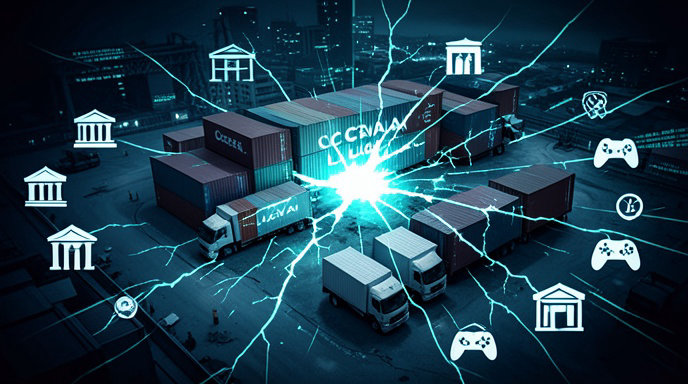
Reports circulating about a large-scale cyberattack on shipping and logistics giant Ceva Logistics describe a breach with far-reaching consequences beyond the company's direct customers. As of today, August 10, 2026, however, no official statement from Ceva Logistics, its parent company CMA CGM, or relevant data protection authorities has confirmed an incident of this nature and scale. A search of current press releases, regulatory breach portals, and reputable cybersecurity news outlets shows no corroborated coverage of a recent Ceva breach impacting financial institutions, retail chains, or gaming platforms like Steam.
This absence of confirmation does not mean a security incident did not occur, but it does mean key details — including when the attack happened, how attackers gained access, and what data was allegedly exfiltrated — remain unverified. Without primary source confirmation, any list of affected downstream clients should be treated as unconfirmed.
Why a Logistics Provider Is a High-Value Target
Even without a confirmed incident, the scenario described is highly plausible to security experts because of the central role logistics providers play in the global supply chain. Companies like Ceva Logistics handle more than freight and warehousing. Their systems routinely process and store sensitive operational data on behalf of clients, including shipping manifests, customs documentation, invoicing details, employee records, customer contact information, and API integrations with e-commerce, banking, and retail platforms.
An attacker who compromises a single logistics provider can potentially gain a foothold into dozens or hundreds of downstream organizations. This is known as a third-party or supply chain attack, where the weakest link in a vendor ecosystem becomes the entry point for a much broader compromise.
The Alleged Ripple Effect Across Industries
The most striking claim in the circulating narrative is that the breach extended far beyond Ceva's own network to affect banks, retailers, and even Steam gamers. In a typical supply chain scenario, this could happen in several ways:
If a logistics provider stores client customer data for fulfillment, a breach could expose end-consumer names, addresses, phone numbers, and order histories belonging to retail clients. If it handles financial documentation or integrates with banking partners for trade finance and payments, exposure could theoretically include invoicing data or business contact information. For gaming-related clients, exposure would likely be limited to merchandise fulfillment or physical distribution partners, rather than direct access to a platform like Steam itself.
To date, no banks, major retailers, or Valve, the operator of Steam, have issued statements linking a data exposure to Ceva Logistics systems. No breach notification letters citing Ceva as the source have been publicly documented.
What Data Was Reportedly Stolen
Unverified summaries of the alleged incident claim that personal data was stolen, but without an official forensic report or disclosure, the exact categories of data cannot be confirmed. In similar logistics-sector attacks in recent years, threat actors have typically targeted personally identifiable information, business contact databases, shipping and tracking information, and internal corporate documents that can be used for follow-on phishing or fraud.
Cybersecurity analysts caution against sharing specific lists of stolen data types until a company provides a formal disclosure, as premature or inaccurate details can create unnecessary panic and facilitate secondary scams where criminals impersonate the breached company.
What This Reveals About Third-Party Supply Chain Vulnerabilities
Whether or not this specific Ceva incident is ultimately confirmed, the story underscores a well-documented and escalating problem in enterprise security. Modern businesses rely on a complex web of third-party vendors for logistics, payments, cloud services, and customer support, but often have limited visibility into those vendors' security practices.
A single compromised vendor can bypass the robust perimeter defenses of its clients. Attackers increasingly target these trusted relationships because they offer scale — one intrusion can yield data from multiple industries at once. This is why frameworks for vendor risk management, continuous monitoring, zero-trust architecture, and mandatory breach notification clauses in contracts have become critical priorities for security teams.
What to Watch For Next
If a significant breach at Ceva Logistics is confirmed, several developments would be expected in the coming days and weeks: an official press release or filing with data protection regulators in the EU and US, direct notifications to affected individuals and corporate clients, and advisories from national cybersecurity agencies. Clients named as downstream victims would also typically issue their own statements clarifying the scope of impact on their customers.
Until such primary sources emerge, individuals concerned about their data should follow standard best practices: be alert for phishing emails or texts that reference shipping or order information, monitor financial statements, enable multi-factor authentication on sensitive accounts including banking and Steam, and avoid clicking links in unsolicited breach notification messages.
The broader lesson remains clear regardless of the verification status of this particular case: supply chain security is no longer just a logistics issue, it is a shared responsibility across every connected industry.

Get All The Latest Updates Delivered Straight To Your Inbox For Free!