
How Cal AI Turned a TikTok Influencer Army Into $30M and a MyFitnessPal Exit
TL;DR
- Cal AI scaled from zero to over $30 million in annualized revenue in under two years by paying hundreds of TikTok and Instagram micro-influencers to post weight-loss transformations and calorie-scanning demos.
- The app's creator-led playbook prioritized volume and virality over brand polish, turning AI photo food-tracking into a viral TikTok category and hitting millions of downloads.
- MyFitnessPal acquired Cal AI in March to capture Gen Z users and AI momentum, in a deal that cements creator-driven distribution as the new growth engine for consumer health apps.
The $30M Growth Hack Nobody Saw Coming
Cal AI didn't look like a diet app, and that was the point. Founded in 2023 by two teenage founders, Zach Yadegari and Henry Langmack, the startup bet everything on a simple idea: point your phone camera at food and let AI instantly count the calories.
No manual logging. No clunky databases. Just snap, scan, and done. The tech was powered by a combination of vision models and large language models trained to estimate portions, ingredients, and macros from a single photo.
But the technology wasn't the real moat. Distribution was.
While competitors like MyFitnessPal and Lifesum spent on App Store ads and SEO, Cal AI built what insiders called a small army of paid influencers — hundreds of fitness creators, college students, and weight-loss journey accounts posting daily on TikTok and Instagram Reels.
An Influencer Army For Hire
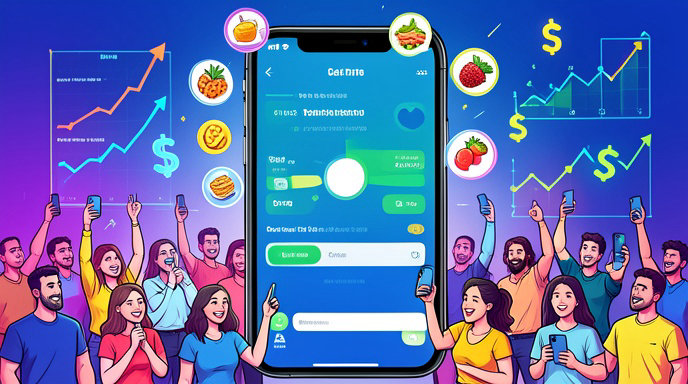
Cal AI's playbook was brutally simple and wildly effective. Instead of signing one expensive celebrity, the company paid hundreds of smaller creators on performance-based deals to flood For You Pages with before-and-after stories, What I Eat in a Day videos, and live calorie-scan demos.
A typical post followed the same viral script: film a messy plate of pasta or fast food, scan it with Cal AI, gasp at the instant calorie breakdown, then show pounds dropping weeks later. The posts looked organic, but most were paid or incentivized with affiliate-style payouts tied to downloads and trials.
By late 2024 and into 2025, TikTok was saturated with Cal AI content. The hashtag ecosystem around AI calorie tracking exploded, generating hundreds of millions of views. According to app intelligence trackers, Cal AI was routinely topping the Health & Fitness charts in the U.S. App Store, often ahead of incumbents 20 times its size.
That ubiquity fueled monetization. At around $30 to $60 per year for a subscription, plus monthly plans, Cal AI reportedly crossed $30 million in revenue in just two years — an almost unheard-of velocity for a bootstrapped consumer subscription app with a tiny full-time team.
Why Virality Worked For Weight Loss
Cal AI cracked a truth legacy diet apps missed: weight loss is content. Transformation videos, calorie reveals, and food scans are inherently watchable, shareable, and emotional.
Traditional calorie counting feels like homework. Cal AI turned it into a party trick. The AI scan provided the wow moment in the first three seconds of a video — critical for TikTok retention — while the ongoing progress updates gave creators a reason to post again and again.
The startup also leaned into speed. It shipped new features weekly, tested dozens of paywalls and onboarding flows, and gave creators fresh talking points like barcode scanning, GLP-1 support tools, and personalized meal plans. Every product update became another wave of influencer content.
From Disruptor To MyFitnessPal's Secret Weapon
By early this year, MyFitnessPal had a problem. The 20-year-old calorie-counting giant had brand recognition and a massive food database, but it was losing cultural relevance with Gen Z. Young users saw it as dated, manual, and uncool compared to AI-native upstarts.
Acquiring Cal AI in March solved that overnight. MyFitnessPal gained not just the AI photo-tracking tech and a surging subscriber base, but a proven creator-led growth engine and a team that knows how to go viral on demand.
For MyFitnessPal, which has changed ownership multiple times in recent years, the deal was about future-proofing. Instead of trying to build AI credibility from scratch, it bought the app that owned the TikTok conversation around food tracking.
Neither company disclosed the financial terms, but industry insiders described it as a breakout exit for such a young, lean team — and a validation of influencer-led distribution in consumer AI.
What Comes Next For Creator-Led Growth
The Cal AI story is already becoming a blueprint in Silicon Valley. Founders are studying its high-volume influencer strategy as an alternative to rising Apple Search Ads costs and saturated Meta advertising.
The lessons are clear: pay for volume, not vanity. Let creators sell transformation, not features. Build products with built-in demo moments designed for short-form video.
Challenges remain. Paid influencer saturation can lead to consumer skepticism, App Store complaints about subscriptions, and questions about AI accuracy for calorie estimates. Regulators and dietitians have also raised concerns about AI-driven diet advice for teens.
Still, the outcome is undeniable. In two years, two founders and an army of TikTokers turned a simple camera trick into $30 million and a MyFitnessPal exit.
In the age of AI apps, code can be copied. Virality can't — unless you pay hundreds of creators to manufacture it.

Get All The Latest Updates Delivered Straight To Your Inbox For Free!